
When a city hosts the Olympic Games, it gains a rare moment on the world stage- a chance to project its identity, values, and character with global reach. Milano Cortina 2026, co‑hosted by Milan, embraced that opportunity with beloved icons, striking symbols, and cultural anchors designed to elevate visibility.
On paper, the ingredients were powerful. On the ground, however, the experience revealed an important tension: the difference between symbolic strength and spatial choreography.
With all the adrenaline and spectacle, was there room to pause, breathe, and truly feel the place?
Here’s what we learned from experiencing the Winter Olympic Games in Milan firsthand.
Place activation requires holistic orchestration
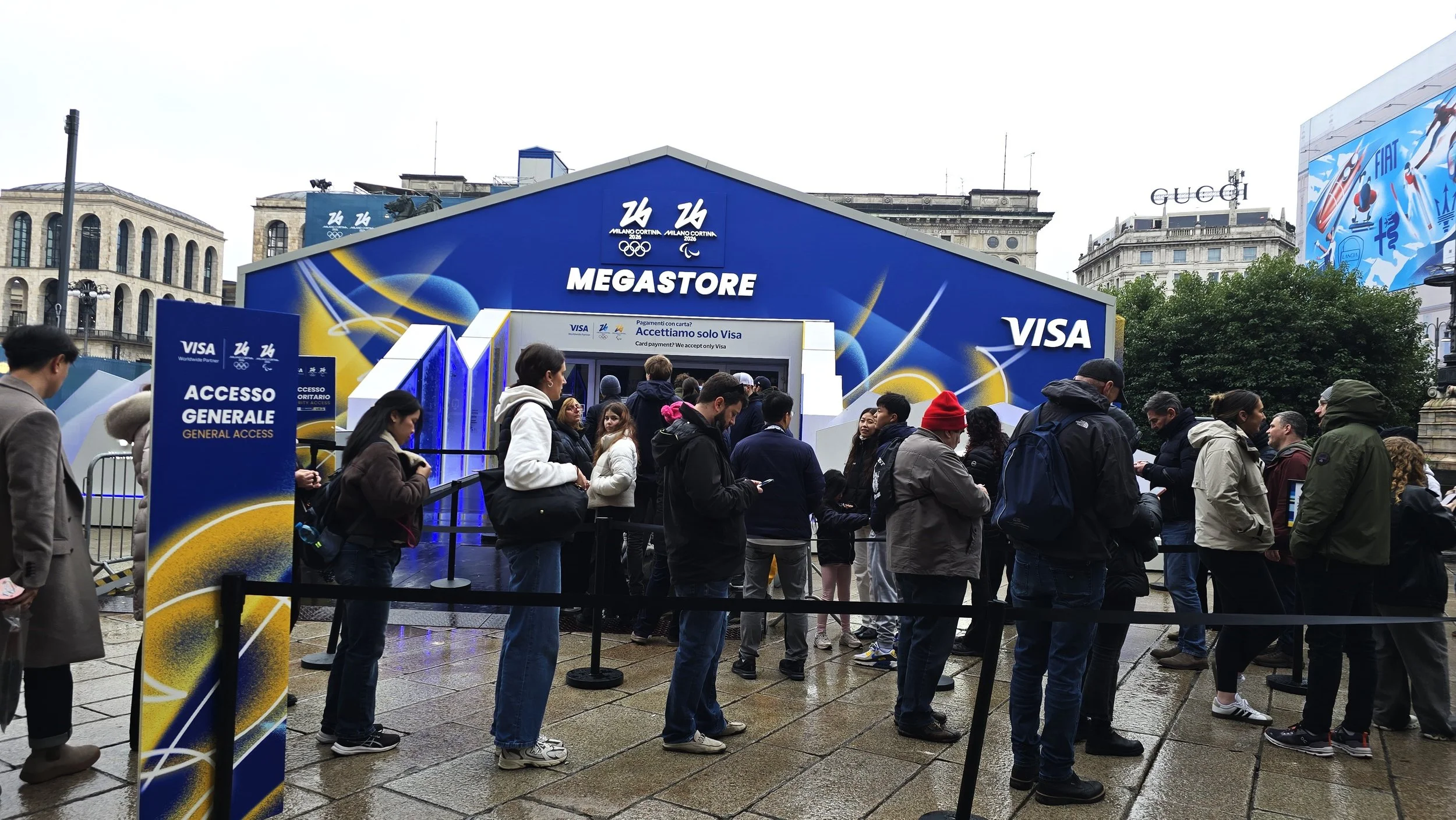
Milan chose a decentralised place strategy - sports venues and public activations were distributed across the city rather than concentrated in a single Olympic Park.
In theory, this aligns with contemporary placemaking: integrate the Games into the city; don’t isolate them.
In practice, the experience felt fragmented.
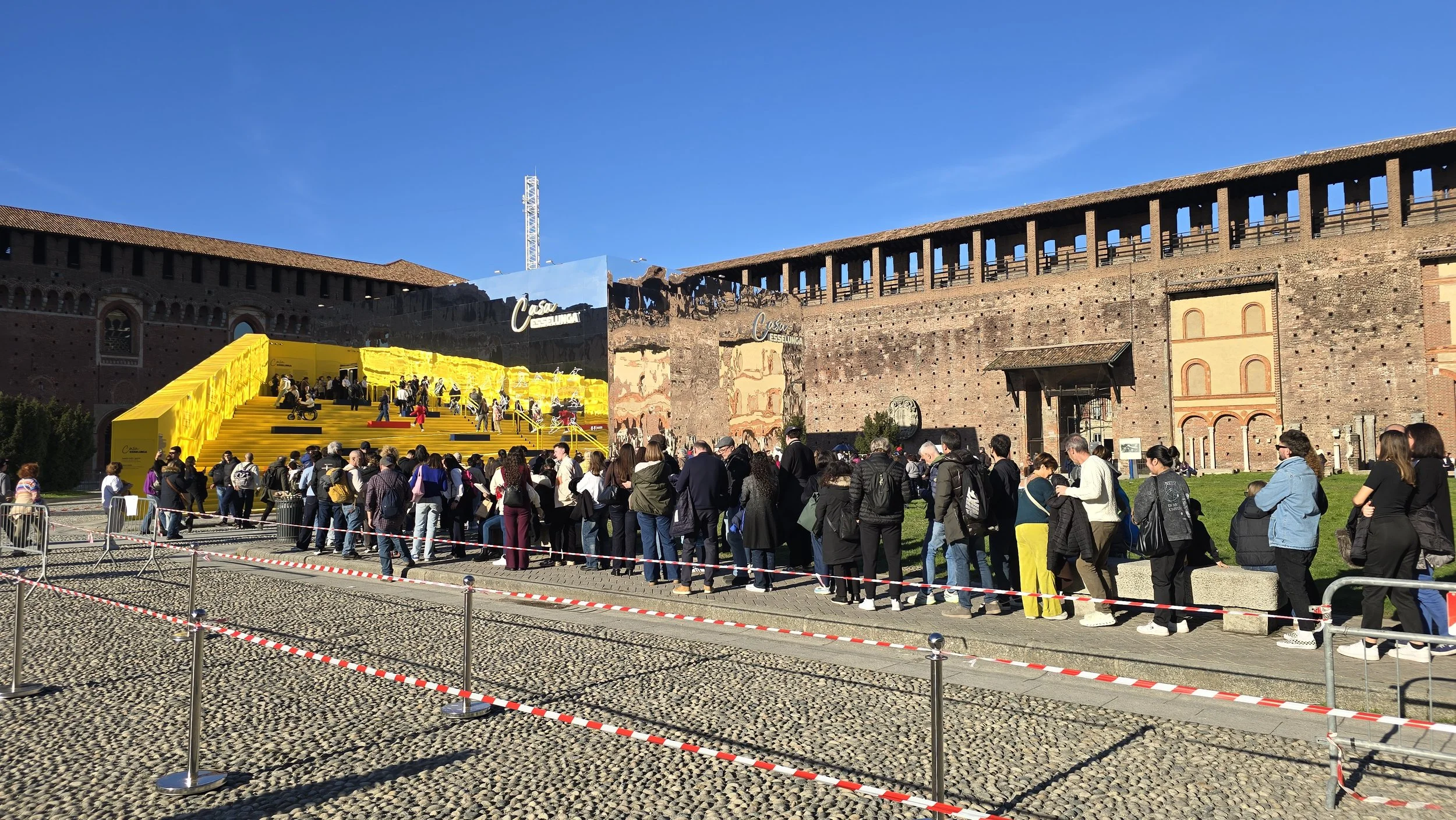
Sponsor-led fan zones and branded pop-ups were energetic but often under‑curated. Queues overwhelmed key installations. Circulation tightened under crowd pressure. Spaces meant for play and interaction became bottlenecks.
Instead of inviting exploration, the environment nudged visitors into a transactional rhythm:
queue → snap a photo → exit.
Crowds are inevitable at this scale. But density without choreography turns celebration into compression.
With little breathing room or intuitive wayfinding, visitors struggled to fully immerse themselves in the Olympic atmosphere.
Balance Corporate Sponsorship with meaning
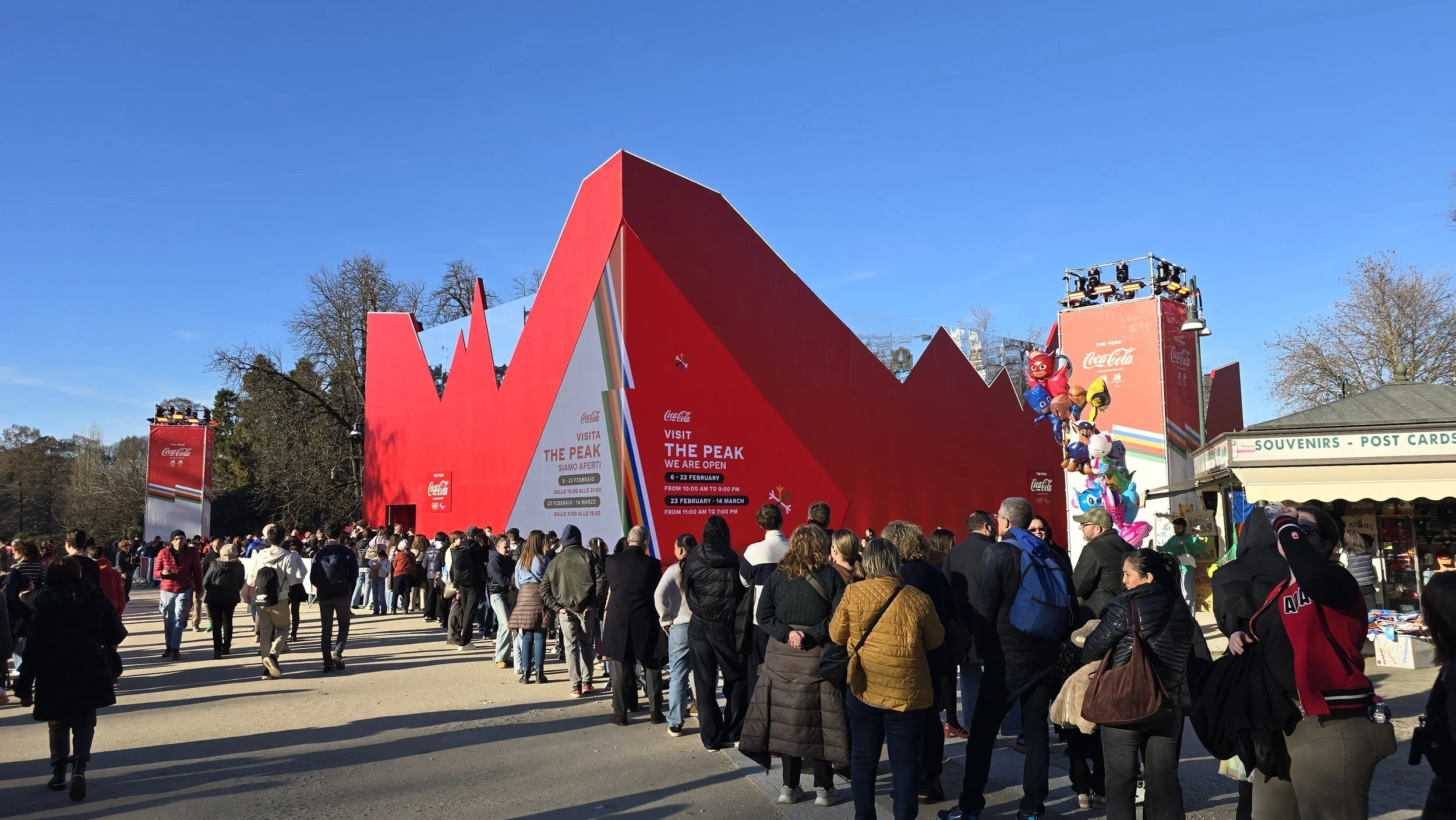
Brand activity is part of any global sporting event. But in Milan, sponsorship often dominated the narrative rather than supporting it.
Individual installations worked well as standalone marketing moments. Yet collectively, they lacked coherence. Instead of amplifying the city’s identity, visual clutter risked drowning it out.
When commercial activation eclipses civic storytelling, the host city becomes a backdrop, not the protagonist.
Mega‑events succeed when the city’s voice stays central. When it doesn’t, the experience becomes a collage of logos rather than a shared cultural moment.
Where Milano Cortina 2026 Shined
Despite these challenges, several elements demonstrate what happens when place strategy is intentional, and how symbolism, environment and narrative can align.
1. Milano Centrale: Arrival as Theatre
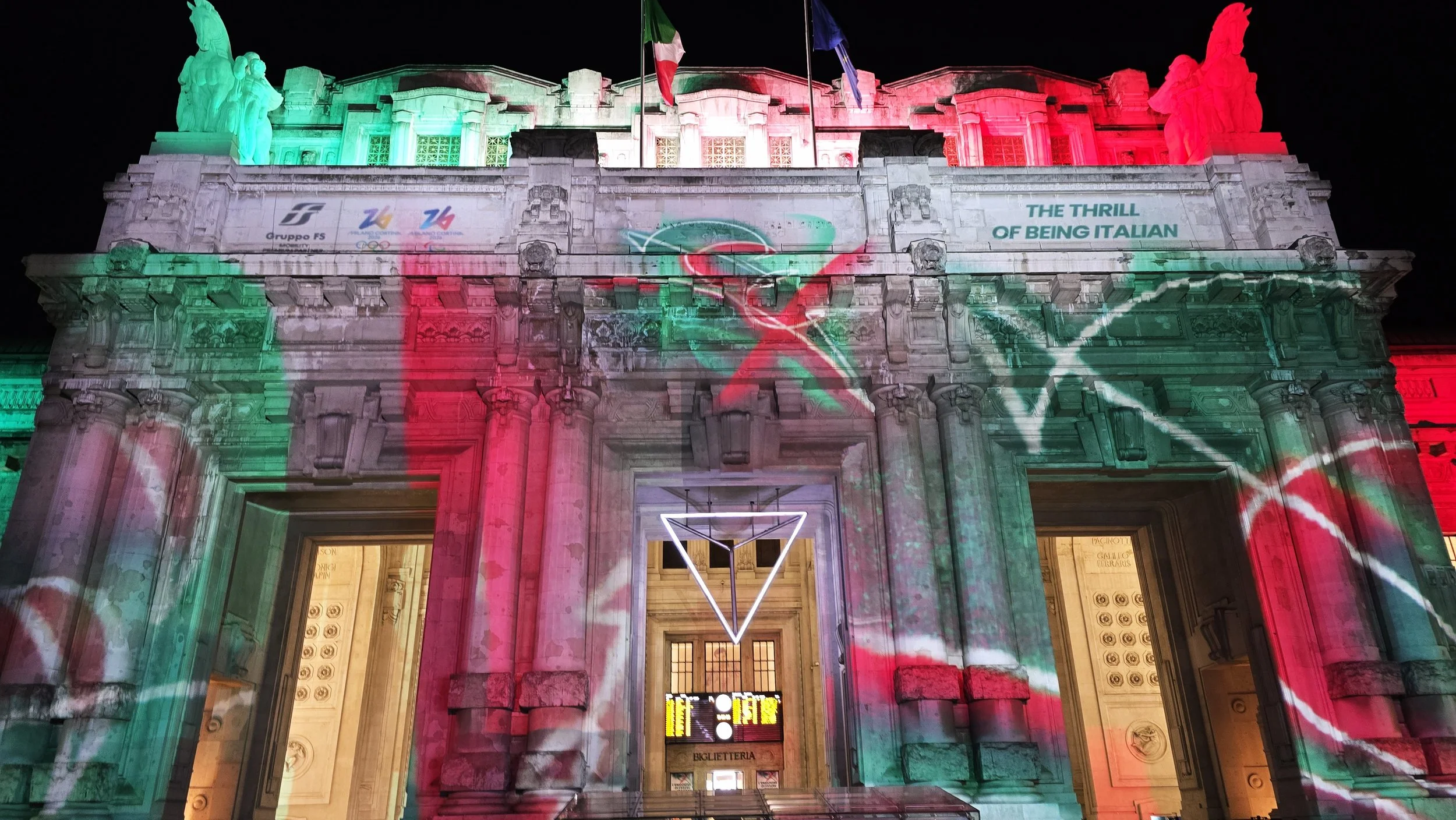
Milan’s central train station became a powerful Olympic gateway - bold, immediate and atmospheric.
The moment you arrived, you felt you were at the Olympic Games.
Arrival matters.
It frames expectations. It signals identity. It sets the emotional tone.
Here, the Olympics weren’t layered onto the city; they were woven into it.
2. The Olympic Cauldron: A Symbol With Soul
Source: Dezeen
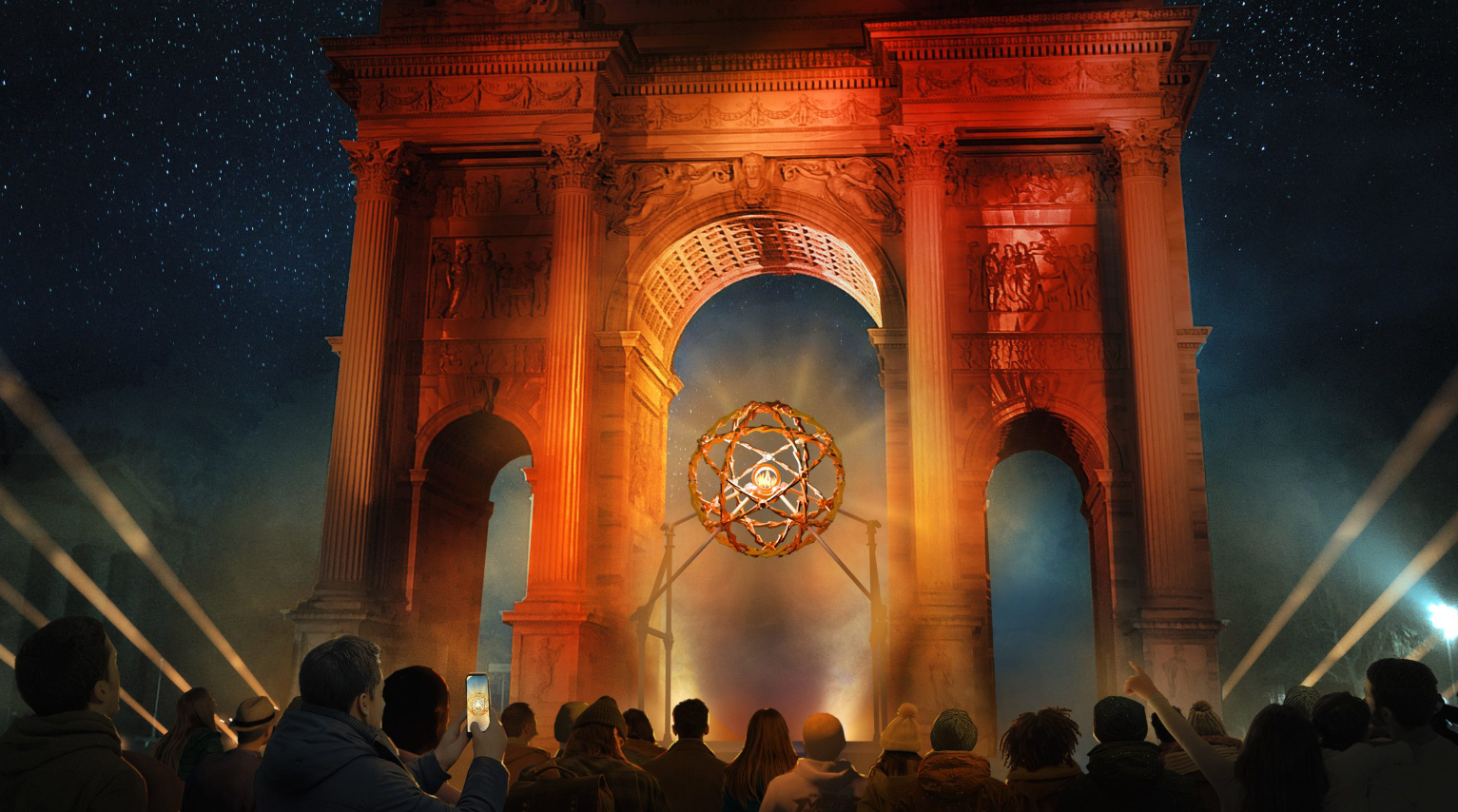
Designed by Marco Balich, Lida Castelli, and Paolo Fantin, the dual cauldrons in Milan and Cortina communicated unity across distance. Lit and extinguished in synchrony, they embodied a single shared flame.
The sun‑inspired geometry referencing Leonardo’s interwoven knots created a poetic thread between creativity, continuity, and human ingenuity.
Unlike the more commercial zones, the Cauldron felt deeply civic - a place of ceremony, meaning, and collective pause.
3. Tina & Milo: Mascots as Emotional Infrastructure
The mascots were a runaway success, especially Tina, one of the most beloved mascots in recent Olympic memory. Plushies sold out citywide, echoing the wider “plushie craze.” Now they are only available online to pre-order. We were desperately sad to not be able to buy one.
Mascots are often dismissed as decorative. But here, they acted as narrative stabilisers, offering familiarity in an otherwise fragmented spatial landscape.
They stitched together an emotional through-line the city needed.
4. Brand Identity & Symbolism: The “Futura” Emblem
Landor’s fluid “26” emblem - light, minimal, almost drawn on misted glass—brought clarity to the Games’ visual identity. Its restraint allowed it to appear across the city without overwhelming public space.
Where the physical environment felt compressed, the emblem delivered coherence, continuity, and calm.
A reminder that a strong identity can be quiet and still be powerful.
5. A Look Into the Future of Winter Sports at Triennale Milano
The exhibition White Out: The Future of Winter Sports at Triennale Milano (home of Casa Italia) was one of the most forward‑thinking components of Milano Cortina. It examined shrinking snow reliability, fragile alpine ecosystems, and the need to reimagine winter sports in a warming world.
Through research and speculative design, it reframed the Winter Olympics not as tradition-bound, but as a practice in active transition.
A quiet but essential message: the future of winter sport is as much about environmental stewardship as athletic excellence.
The Broader Lesson: Orchestration Is Everything
As the flame dims and the city returns to its usual rhythm, Milano Cortina 2026 leaves us with an essential insight:
Strong iconography is not the same as strong spatial experience.
Visibility does not guarantee immersion.
Activation does not equal placemaking.
The Games delivered powerful symbols - cauldrons, mascots, arrival gateways, and identity.
But the connective tissue between them lacked clarity. And it’s in that space - the movement, the flow, the rhythm - where a visitor truly experiences a city.
Global events are more than spectacle.
They are choreography.
They are atmosphere.
They are emotion, memory, and meaning in motion.
Milan has extraordinary narrative assets. The opportunity now is refining how those assets are orchestrated - ensuring civic identity shines brighter than crowding or commercial layering.
Because the real success of a major sporting event isn't measured in the number of sponsors secured or installations delivered.
It’s measured in how the city made people feel - and how it will be remembered.
Looking to Craft a Compelling Story for Your Brand?
If you want to create authentic content that resonates deeply with your audience and strengthens your brand’s cultural presence, we can help.
Our team of strategists and storytellers specialises in building narratives that connect meaningfully - online and in real space.
Get in touch and let’s shape the story your brand needs for 2026 and beyond.