
At this year’s Urban Land Institute UK Conference 2026 at Corner Corner, three words echoed across keynotes, panels, and lunch time conversations:
Capital. Story. Hope.
Not in that order. But perhaps that’s the point.
Because what became clear is this: capital follows story.
And story only works if it carries hope.
Read on to learn about our insights from the conference.
1. Capital is coming back, but it’s selective
Simon Wallace, Head of Research at DWS, set the tone early. The mood? Cautiously optimistic.
We are not in a bubble. Pricing is attractive. Global capital is re-engaging with Europe. Germany, Milan, Madrid - all back in the conversation. And London? Still resonant.
But here’s the tension: supply is short.
Construction starts are down dramatically. Housing delivery is nowhere near target. Offices may be declared “dead” on the front page of the FT - yet vacancy in the right buildings is tight.
The takeaway? The fundamentals still matter. Structural demand plays out over decades. Healthcare. Residential. Logistics. Long-term demographic drivers.
Simon reiterates as a closing line: “Just because you’re bored of it doesn’t mean it’s not attractive.”
The capital is cautious. But it is listening. Which means the way we tell the story matters more than ever.
Their perspective echoed a theme we explored on our podcast Talking Place with guest Frances Heeney in E005 - The business case for people- first placemaking, where the conversation landed on a similar truth about finance and capital.
2. Tell the Short Story. Make It Legible.

Source: Pexels
Across multiple panels - from the UK Investment Thesis to City Transformation, one message was repeated almost verbatim:
If you want to raise capital, get the story right. Keep it simple.
Claire Deanfield, PJT Park Hill Real Estate Group, spoke about the fundraising gridlock of 2023. Rob Johnston, Invesco, reminded us that repositioning is hard to access without a compelling narrative. Jonathan Hull, CBRE, underlined how underestimated London remains. Capital doesn’t invest in complexity. It invests in clarity. Cities that win make themselves legible.
In the steel cities conversation between Pittsburgh and Sheffield, former Pittsburgh Mayor, Urban Development Advisors Inc, Tom Murphy described how 300,000 people left his city. Steel collapsed. Confidence collapsed.
What changed?
Not one project. Not one building. A narrative shift.
From steel to tech. From decline to reinvention.From loss to possibility.
The state committed 2% to attract venture capital firms. Incubator spaces multiplied. Tech jobs overtook steel jobs.They communicated hope. And hope is investable.
Bob Allies makes a similar point on Talking Place on episode 019 -Designing Cities That Last: Masterplanning The Future with Bob Allies (Part 2), arguing that cities endure when their masterplans are built on patience, coherence, and a long view of value creation. Legacy isn’t a moment; it’s a system of decisions that compound over time.
3. Real Estate Is Infrastructure, And Emotion
Source: Pexels
One of the most powerful reframes of the day was simple:
Real estate is infrastructure.
It underpins recruitment, retention, and productivity. It shapes whether a city competes globally. But it also shapes something harder to quantify: how a place makes you feel.
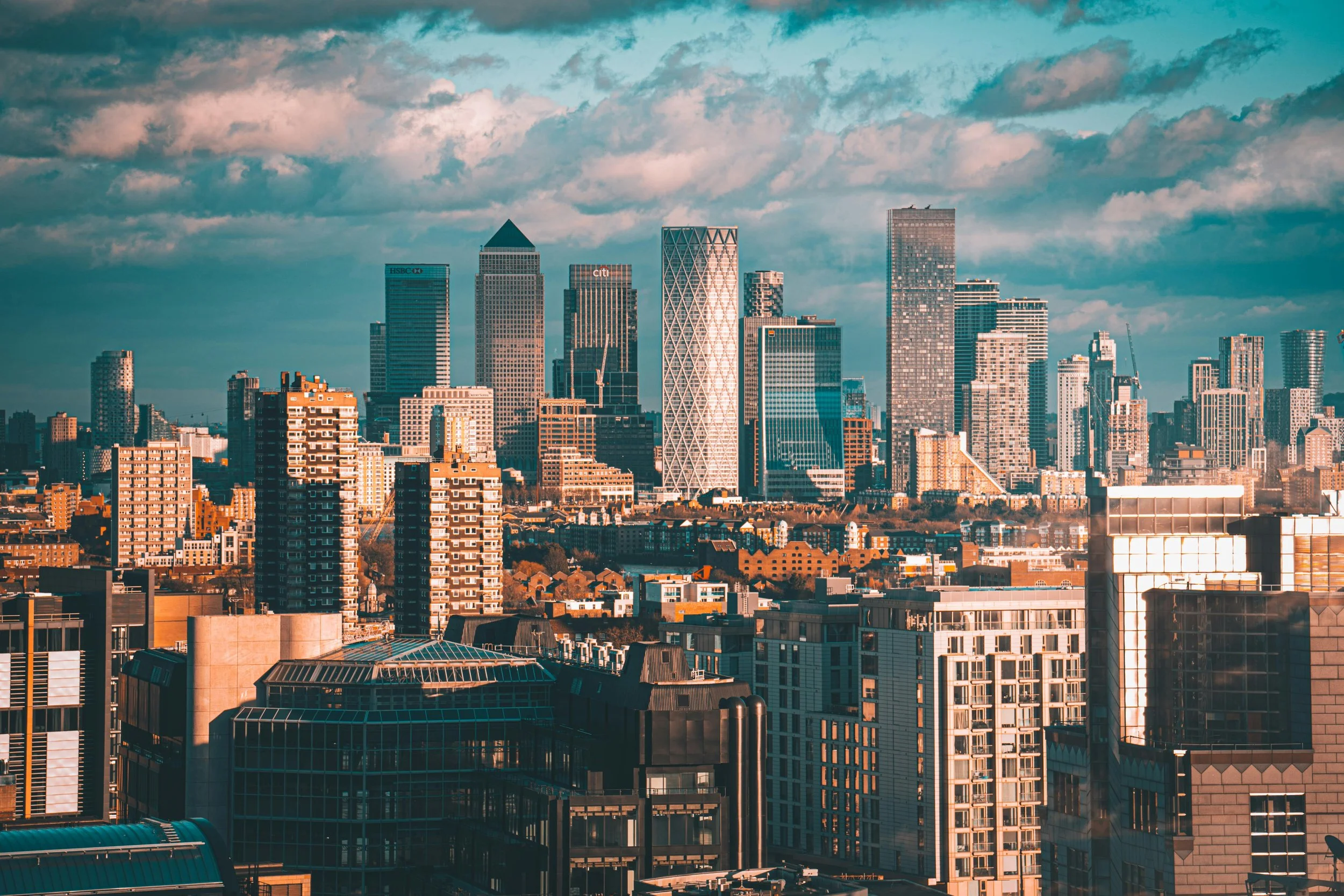
Michelle Laramy shared how Canary Wharf’s Eden Dock and diversification strategy have driven 77 million footfall. That isn’t just asset management. That’s place curation.
Tom Gilman of McLaren Regeneration said it plainly:
“People are buying into a future they can see.”
Because place marketing isn’t spin. It’s translation. It makes the future visible. And when you make the future visible, capital feels safer.
4. Legacy Requires Stamina (and Fiscal Discipline)

Source: npca.org
Lloyd Lee of Yoo Capital spoke about Olympia’s transformation. Thirty-nine days into construction in 2020, the world shut down.
Stamina.
Fiscal responsibility.
Single-minded drive.
If you don’t meet your financial obligations, investors don’t come back. Legacy is emotional, but it is built on discipline.
That duality ran throughout the conference.
Purpose and profit are not opposites. They are partners.
Peter Freeman,Cambridge Growth Company, reminded us: you don’t stay in business if it doesn’t produce a return. But he also spoke about generosity of spirit, investing in things that don’t directly generate income. That’s the paradox of place. The otters in the Olympic Park. Families picnicking in Piccadilly Gardens.
Secondary symbols of success. Proof that regeneration never ends, it compounds.
Their perspective also aligns with themes we’ve explored on our podcast with Guest Tom Branton in E17- Reimagining Earl’s Court: Culture, Creativity and Community, where we looked at how conversations across the sector continue to evolve.
5. Housing, Regulation, and Sentiment
Tom Goodall, Related Argent, put numbers to the anxiety. Construction starts down 84%. Planning timelines are stretching. Viability squeezed. Regulation is heavy.
But he also reframed something critical:
Sentiment is a two-sided coin of data. Markets move on confidence as much as spreadsheets. If we articulate social impact clearly - if we define a North Star - we shape that sentiment.
Housing is not a solo sport. It is a team challenge.
And nothing destabilises investment like stop–start policy. Consistency is underrated. Certainty of time - even more so.
This mirrors the insight shared on our podcast with guest Jay Morton, Episode003- Why we need more placemakers in politics, a reminder of how consistently these questions and points surface across the wider discussions shaping our industry.
6. AI, Productivity, and Human Bottlenecks

Source: Pexels
Chris de Gruben, Artefact, didn’t sugarcoat it: invest in AI or drown.
But the real bottleneck? Human risk aversion. Technology is not the barrier. Culture is. Kris Hogg, Samsung, spoke about cyber buildings and sensor-driven spaces. Nick Barr, Google DeepMind, explored where value sits in the cloud.
The future of real estate will not just be physical. It will be operational, data-driven, and adaptive.
Which brings us back to the story. If your building is smart, say why it matters. If your infrastructure is resilient, explain how it improves life. Data alone doesn’t move people. Meaning does.
So what did we leave with?
Three words.
Capital. Story. Hope.
Capital is rational. Story is relational. Hope is emotional.
If we want investment to flow - into London, into Sheffield, into new towns, into housing, into regeneration - we must do more than model returns. We must articulate futures people can see.
Because cities don’t succeed through one project alone. They succeed when projects knit together into a coherent narrative. And in a market hungry for certainty, the most undervalued asset may not be land.
It may be belief.
Looking to craft a compelling story for your brand?
If you are looking to create authentic content that resonates with your audience and builds a stronger and closer connection with them, get in touch today. Our creative team of storytellers and experts is ready to help your brand navigate the trends and expectations of 2026.