
Urban reinvention & resilience: Why placemaking is now an investment strategy
At MIPIM 2026, the UK Hub hosted a conversation that cut through the usual noise around regeneration and real estate.
The panel ‘Urban Reinvention & Resilience: Examples of Placemaking Having a Tangible Impact on Real Estate Investment’ brought together voices from across the sector: developers, city leaders, cultural strategists and long-term masterplanners-
Chris Hogwood, Chief Corporate Affairs Officer, LandSec
Kate Boothman Meier - Executive Director of Corporate Affairs, Battersea Power Station Development Corporation
Fiona Gray, Director of Place, Welborne Garden Village, Hampshire
John Walsh, Chief Executive, Belfast City Council
Austin Daboh OBE, Executive Leader
The discussion was chaired by Tanisha Raffiuddin, Creative Director at Concept Culture and host of the Talking Place podcast.
Together, they tackled a question that’s becoming impossible to ignore:
What really makes places thrive in a world defined by economic uncertainty, social change and environmental pressure?
The investment case for placemaking
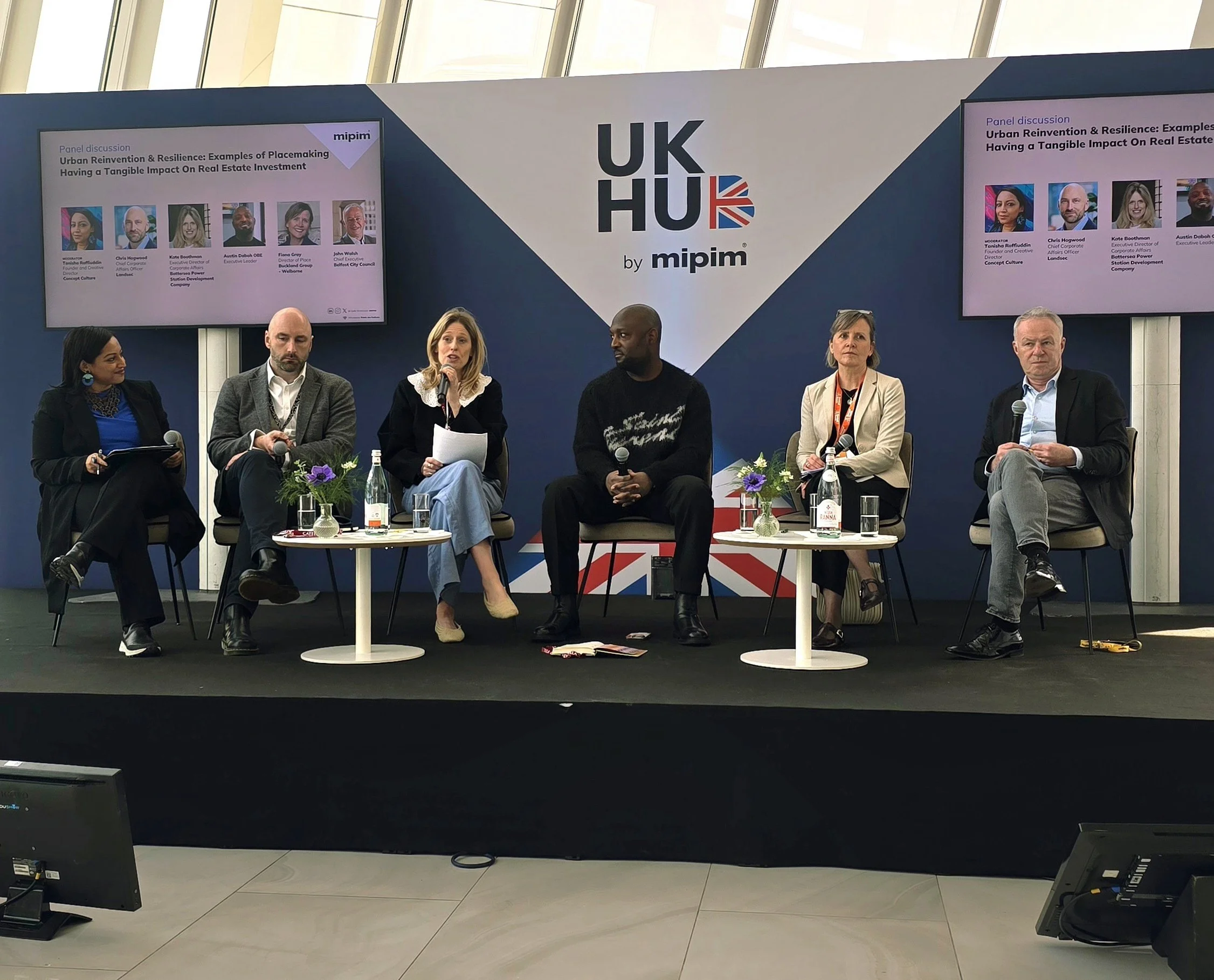
(L-R)Tanisha Raffiuddin, Chris Hogwood, Kate Boothman Meier, Austin Daboh OBE, Fiona Gray, John Walsh
Across the UK, towns and commercial centres are being reshaped as people live, work and spend differently. Mixed-use development, experience-led retail and cultural programming aren’t “nice-to-haves” anymore; they’re becoming core to successful investment strategies.
But the panel highlighted a deeper shift:
The most successful projects start with place, not product.
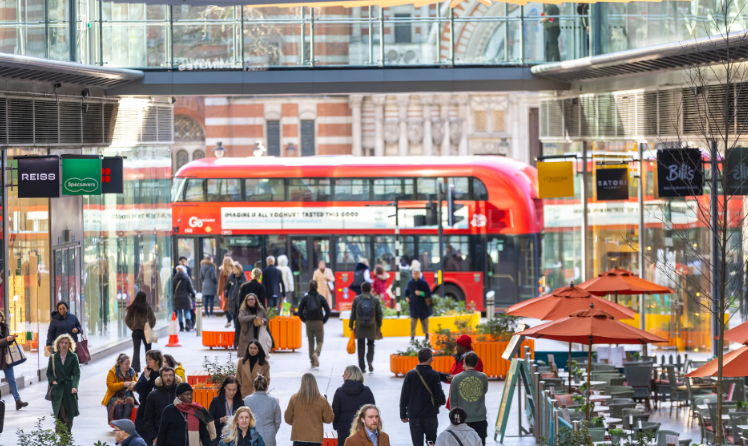
Source: Landsec group
Chris Hogwood illustrated this with Cardinal Place in Victoria, where simple interventions, such as planting, seating, and public art, changed how people used the space. The results were striking:
Footfall up 15% year-on-year
Food and beverage sales up around 25%
Customer satisfaction improved
A major office lease renewal soon followed
The message was clear: Small, thoughtful interventions can unlock long-term commercial value.
2. Culture is infrastructure
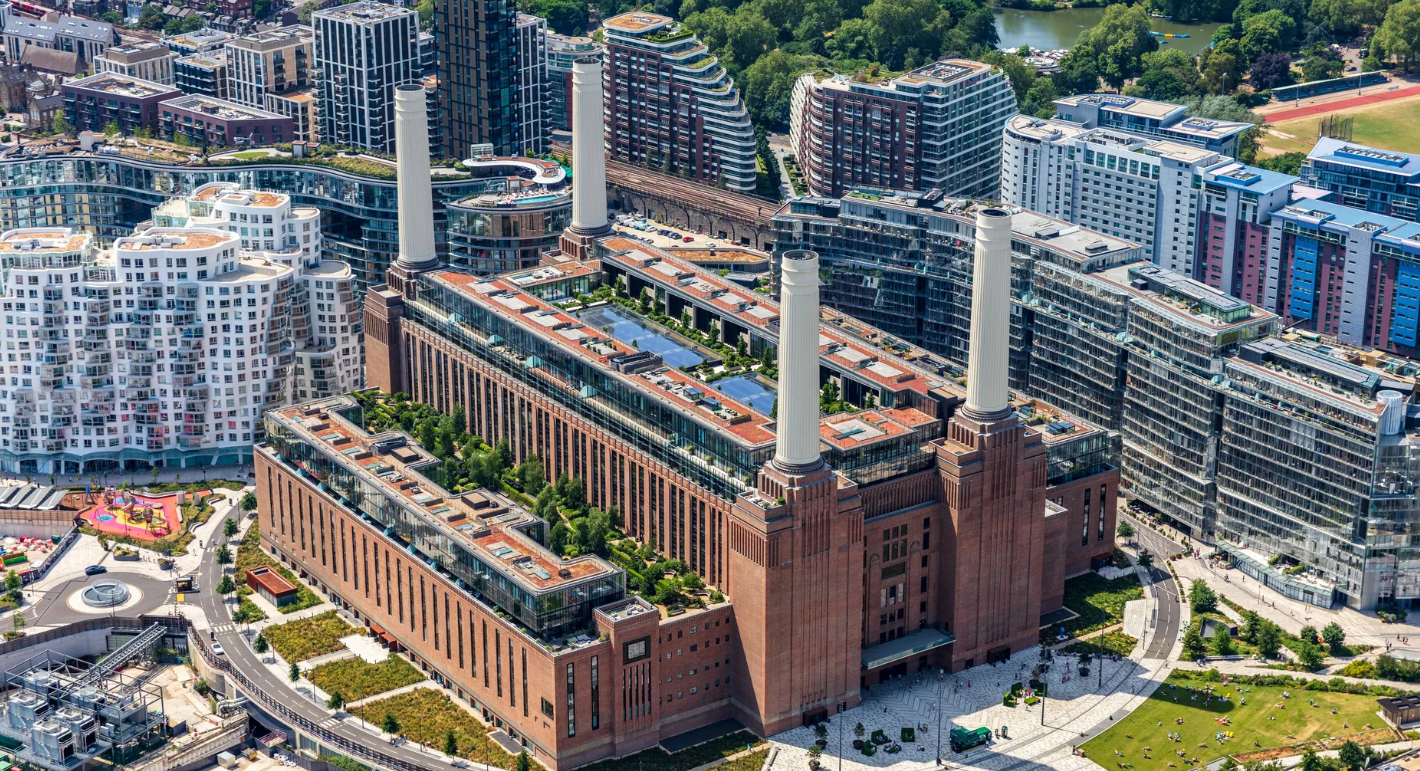
Source: Battersea Power Station
Another theme that resonated throughout the discussion was culture’s role as a driver of economic value.
At Battersea Power Station, cultural activation began long before the official opening. Events, programming and community engagement during construction helped build a relationship between the development and the city.
The payoff was immediate: 250,000 visitors on opening weekend, with millions spent across the site.
As Kate Boothman Meier quoted a famous Chinese proverb, places evolve like gardens:
“If you wish to be happy for a lifetime, grow a garden.”
And who does not want a garden?
Placemaking requires patience, stewardship and a long-term view.
3. Invest early in what makes a place matter
Source: Unsplash
Austin Daboh OBE brought a perspective from the music industry. In music, cultural value is recognised early, talent is nurtured, invested in and amplified.
Real estate, Austin argued, often works in reverse:
“Culture is often treated as something added after construction. The places that succeed are the ones that invest in culture from the start.”
This isn’t just a cultural argument. It’s an economic one.Invest early in identity and creativity, and you create places people want to return to and invest in.
4. Long-term vision builds investor confidence
Source: Welborne.co
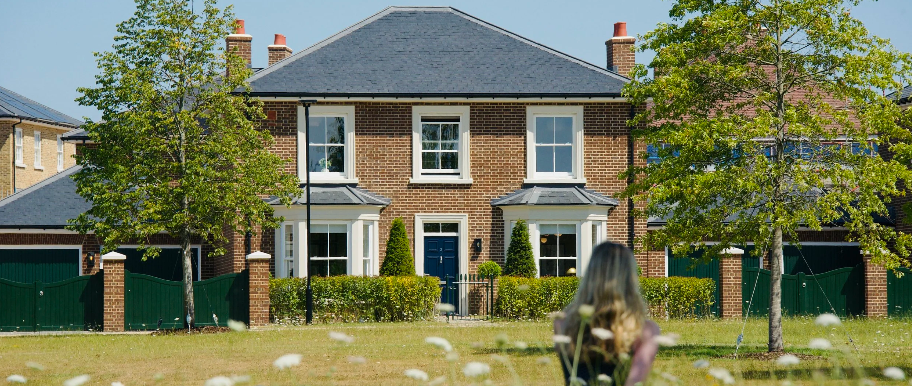
For Fiona Gray, placemaking is embedded in the long-term vision for Welborne Garden Village in Hampshire, a new town for 15,000 residents.
Instead of waiting for development to mature, the team invested in green infrastructure, social infrastructure and public spaces from day one.
This early commitment has helped attract both public and private investment, including institutional lenders.
The takeaway: Placemaking builds confidence. It creates a story investors, residents and businesses can believe in.
5. The cities that win are the ones that tell their story
Source: Belfast City Centre management
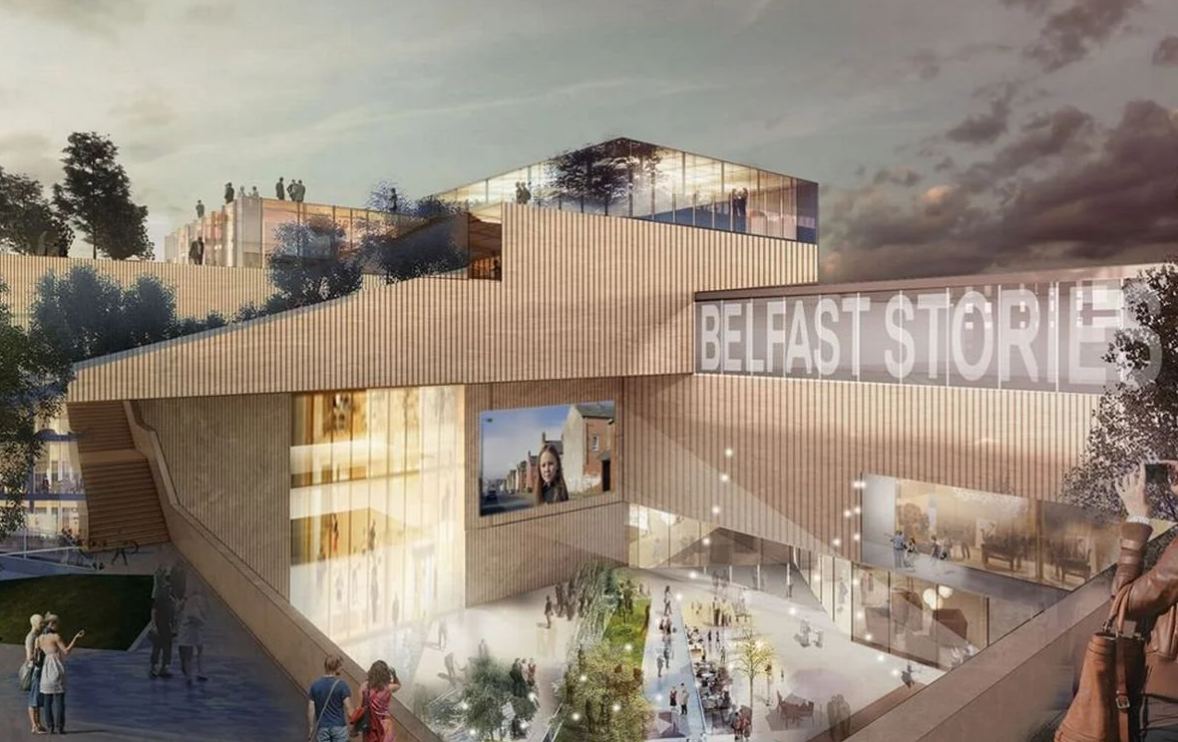
John Walsh offered a civic perspective from Belfast, where placemaking is helping reshape the city’s identity and economic confidence.
Projects like Belfast Stories, a new visitor attraction celebrating the city’s history and culture, aim to drive both tourism and regeneration.
John’s core belief:
When communities feel ownership of a place, that place behaves differently.Belonging drives engagement.And engagement? Engagement drives economic activity.
6. Technology can support place - but not replace it

Source: Unsplash
In today’s world, can there be a conversation without the mention of AI? So how exactly is it helping shape and curate a place?
AI and data are increasingly shaping development decisions, offering insights into behaviour and movement patterns.But the panel was unanimous: cities are still fundamentally human.
Urban design, from street widths to public squares, can’t be defined by data alone.
As Fiona Gray noted, many of the world’s most enduring places were created long before algorithms existed.
Technology can guide. But people make places.
7. The future of real estate investment
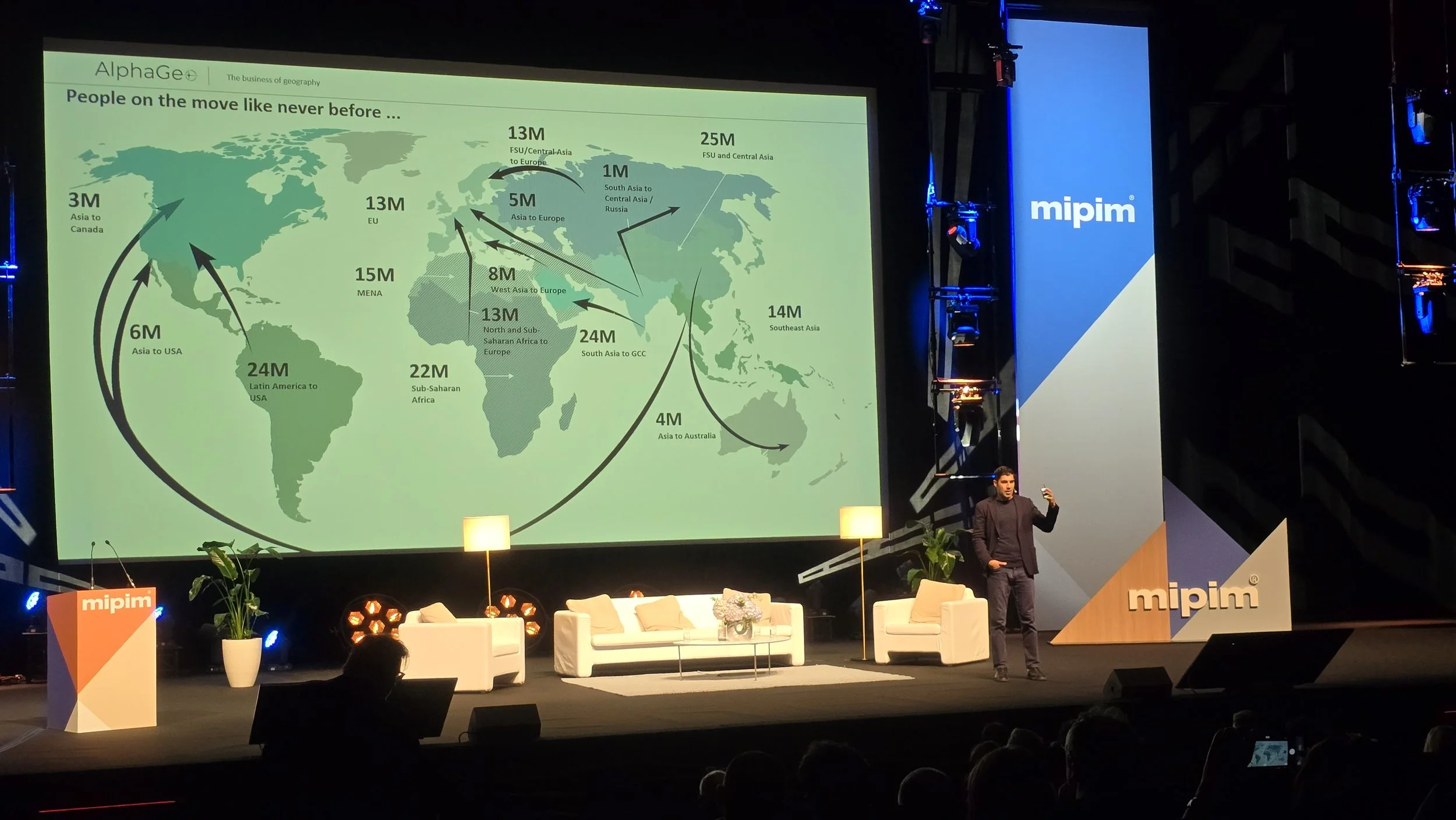
As the session wrapped up, the panel reflected on what needs to change if the UK wants resilient towns and cities.
Their answers converged around a few core principles:
Embrace people
Invest in culture
Invest in good infrastructure
Strengthen public–private collaboration
Design with communities, not just for them
Create places where people feel ownership and belonging
Design for the long-term vision and layer in emotional intelligence
The bigger lesson
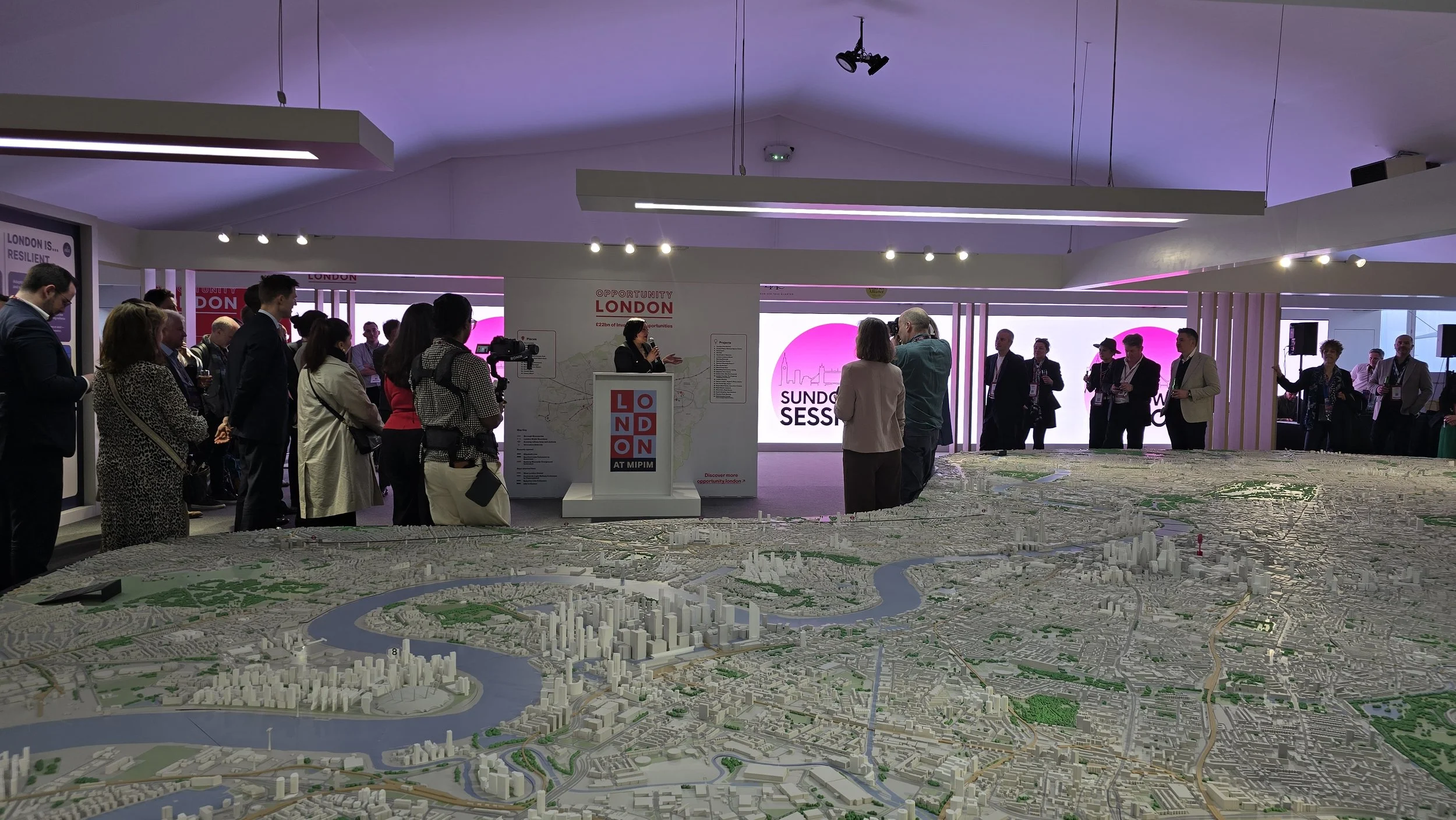
Across every example- from Battersea Power Station to Belfast, Victoria to Welborne Garden Village- one message stood out: Placemaking is no longer the finishing touch. It’s becoming the foundation of long‑term value.
And this is where the conversation ultimately converged.
Culture, experience and identity aren’t “soft” factors sitting outside the commercial equation. They’re now shaping the fundamentals investors track most closely: • Footfall • Leasing velocity • Tenant demand • Talent attraction • Long‑term asset value
The places that will thrive over the next decade won’t simply be the ones being built. They’ll be the ones being believed in. And belief grows where identity, culture and belonging take root.
The places people love are the places where investment will follow.
Looking to craft a compelling story for your brand?
If you are looking to create authentic content that resonates with your audience and builds a stronger and closer connection with them, get in touch today. Our creative team of storytellers and experts is ready to help your brand navigate the trends and expectations of 2026.