
Belonging, Identity, and the New Destination Narrative: 5 Destination Marketing Trends Shaping 2026
Source:pexels
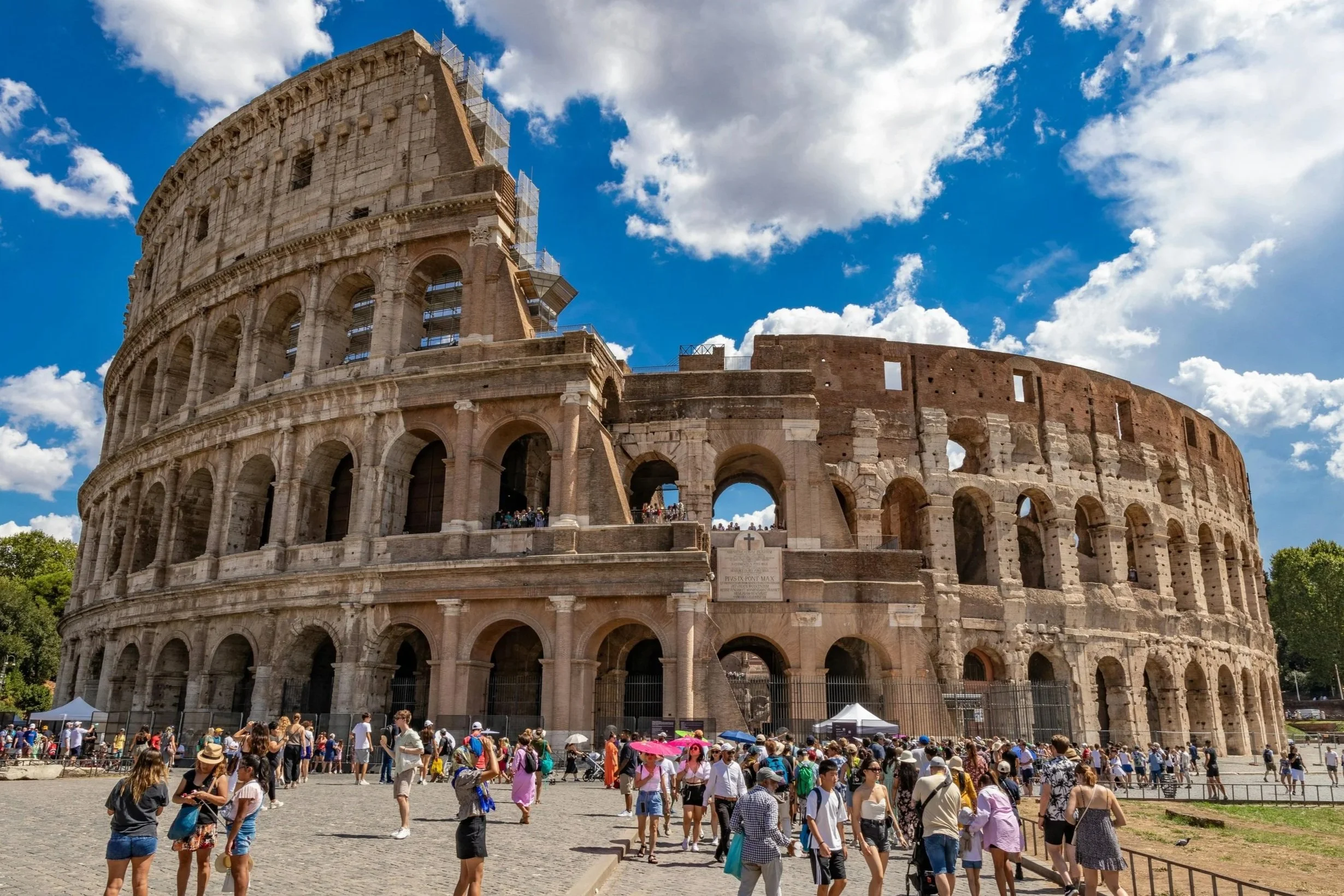
For many years, destination marketing (or place marketing) was built on spectacle. Skylines, landmarks, bucket-list imagery carefully framed and endlessly repeated. But as we approach 2026, this language feels increasingly insufficient. Travel is no longer shaped only by aspiration and residence, but alsoby practicality. Travel is becoming slower, softer, and more considered. And the way we market places is beginning to reflect that shift.
There is travel and a constant moment, and there is settlement, home and peace. So what of the residents? The inhabitants of the space. Destination marketing is beginning to overlap with everyday urban life, shaping how residents see, value and remain connected to their own city.
As the year draws to a close, the tone across the built environment we note has been moving towards mindfulness and authenticity. Placemaking is shaped by climate responsibility, spatial equity, digital access, and a collective longing for belonging.
Destinations today are being asked not just to attract visitors, but to reveal who they truly are socially, culturally, and environmentally. The question is no longer just “Where should I go next?” but “Where will I feel at peace, even briefly or maybe permanently?”
Here are five shifts that will shape destination marketing in 2026.
1. From Landmark Promotion to a More Human Sense of Place
Source: Europenowjournal
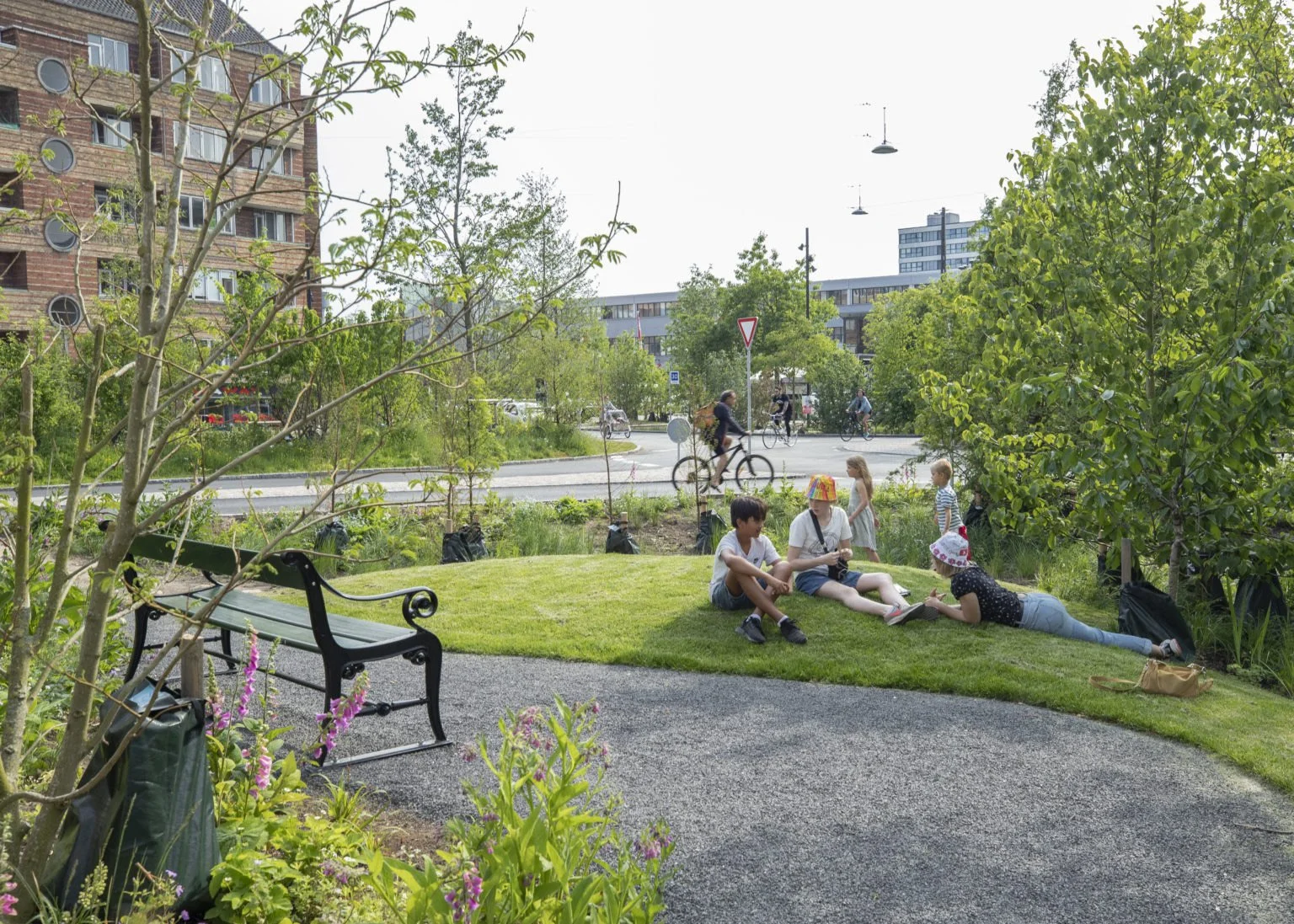
We all witnessed the “I heart Amsterdam” installation and its replicas all over the world. It mattered. Postcards still matter. Landmarks still carry weight. But by 2026, destinations are increasingly defined by what happens between the landmarks in neighbourhoods, on side streets, inside everyday rituals. But now we pivot towards the why do you love that city as opposed to it being just a photo-op.
This reframing also reflects how residents experience their city, not as a highlight reel but as a sequence of daily moments and social interactions.
There is a growing focus on what urbanists call a ‘sense of place’, the emotional and social qualities that make environments feel meaningful rather than interchangeable. This includes seasonal changes, the rhythms of a neighbourhood, local economies, communal spaces, and representing spaces as they are actually lived in.
Rather than marketing destinations as collections of attractions, storytelling is shifting toward the quieter layers that form emotional connection over time. It is less about spectacle and more about belonging. Less about consumption and more about the relationship.
The UK’s own placemaking frameworks increasingly prioritise “sense of place” alongside economic performance, reinforcing this shift from image to identity.
2. Regenerative Tourism as a Policy-Driven Economic Model
Source: BBC
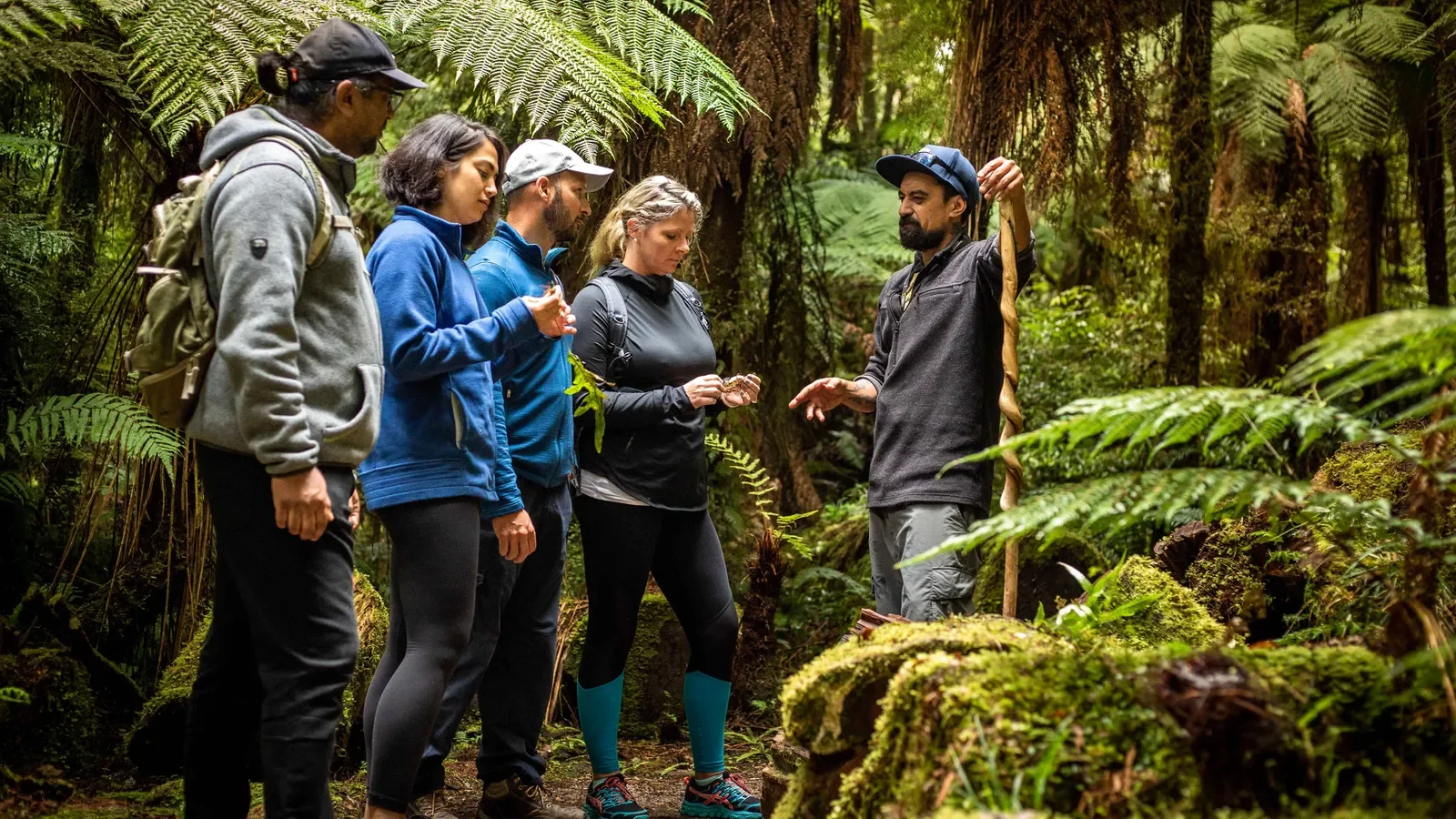
As we move further from promotion, what should follow is preservation. By 2026, sustainability alone is no longer enough. The language is shifting toward regeneration tourism that actively strengthens environmental systems, social cohesion, and local economic resilience. A marketing spin on a place that is suffering isn’t what is required, but a simultaneous venture to preserve as we promote should be the ethos moving forward.
For residents, this matters deeply. Tourism is no longer framed as something that happens to a city, but something that must work for people who live there year-round.
This means marketing now reflects how they support local communities, if they protect ecosystems, tourism revenue distributions, and if they take into account cultural preservation instead of commodification. Tourism is increasingly embedded within long-term spatial development policy, rather than operating as a short-term economic boost.
It’s no longer enough to say, “We do no harm, we mean no harm.” Across the UK and Europe, this aligns closely with Biodiversity recovery plans, Net Zero 2050 targets, green infrastructure strategies, community wealth-building models and more. The visitor is no longer positioned purely as a consumer, and the local is no longer just a prop. They become a temporary participant within a wider system of care and responsibility.
3. Decentralised Destination Marketing and the Rise of Polycentric Cities
Source: Pexels
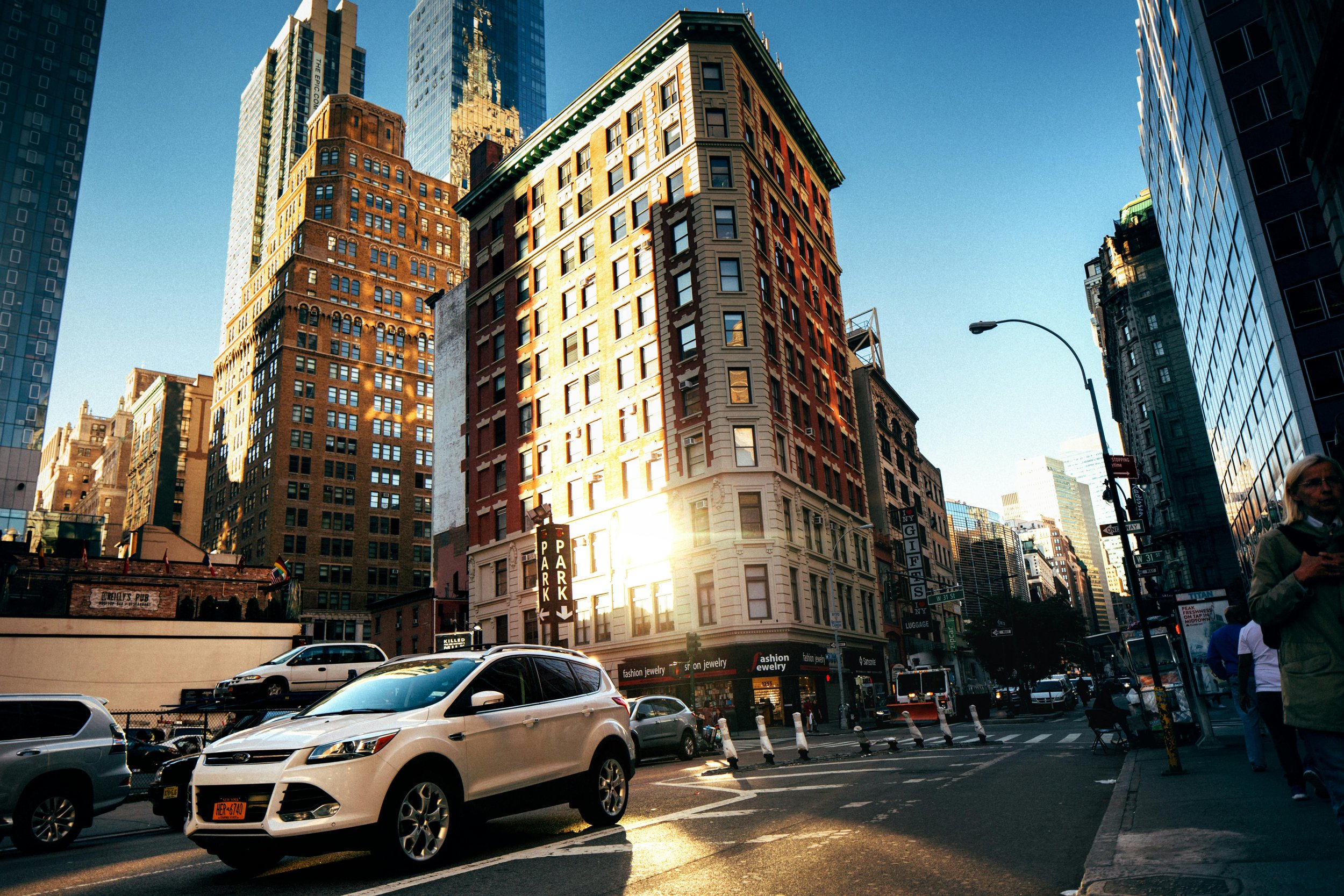
Due to the uncertain times we live in. A city is a living, breathing entity. Hence why having just contingency plans is not enough or sustainable. The place branding market needs adaptive and equally organic marketing methods. Decentralisation is one such method. As overtourism, housing pressure, and infrastructure strain have accelerated a move toward polycentric destination models, where visitors are distributed across multiple centres rather than concentrated in historic cores.
This offers reduced congestion, deeper community visitor interaction, smoother commute, protection of cultural authenticity, and stronger neighbourhood economies.
From a branding perspective, this introduces neighbourhood-scale destination narratives. Each district carries its own cultural identity within a wider city framework.
The London context:
The London Borough of Culture programme has played a key role in decentralising London’s cultural narrative. It has boosted local participation, supported grassroots creative economies and redirected attention beyond the city’s traditional tourist core, demonstrating how culture-led placemaking can generate lasting social and economic value for residents as well as visitors.
Listen to our podcast on EP6 Wandsworth’s year as the London Borough of Culture with our guest Councillor Kemi Akinola. This shifts attention away from traditional tourist zones towards regional and local culture, food, music and creative economies. Branding follows the decentralisation logic already emerging in planning and regeneration policy.
4. Infrastructure-Led Destination Marketing and Smart Place Systems
Source: Mapmetrics
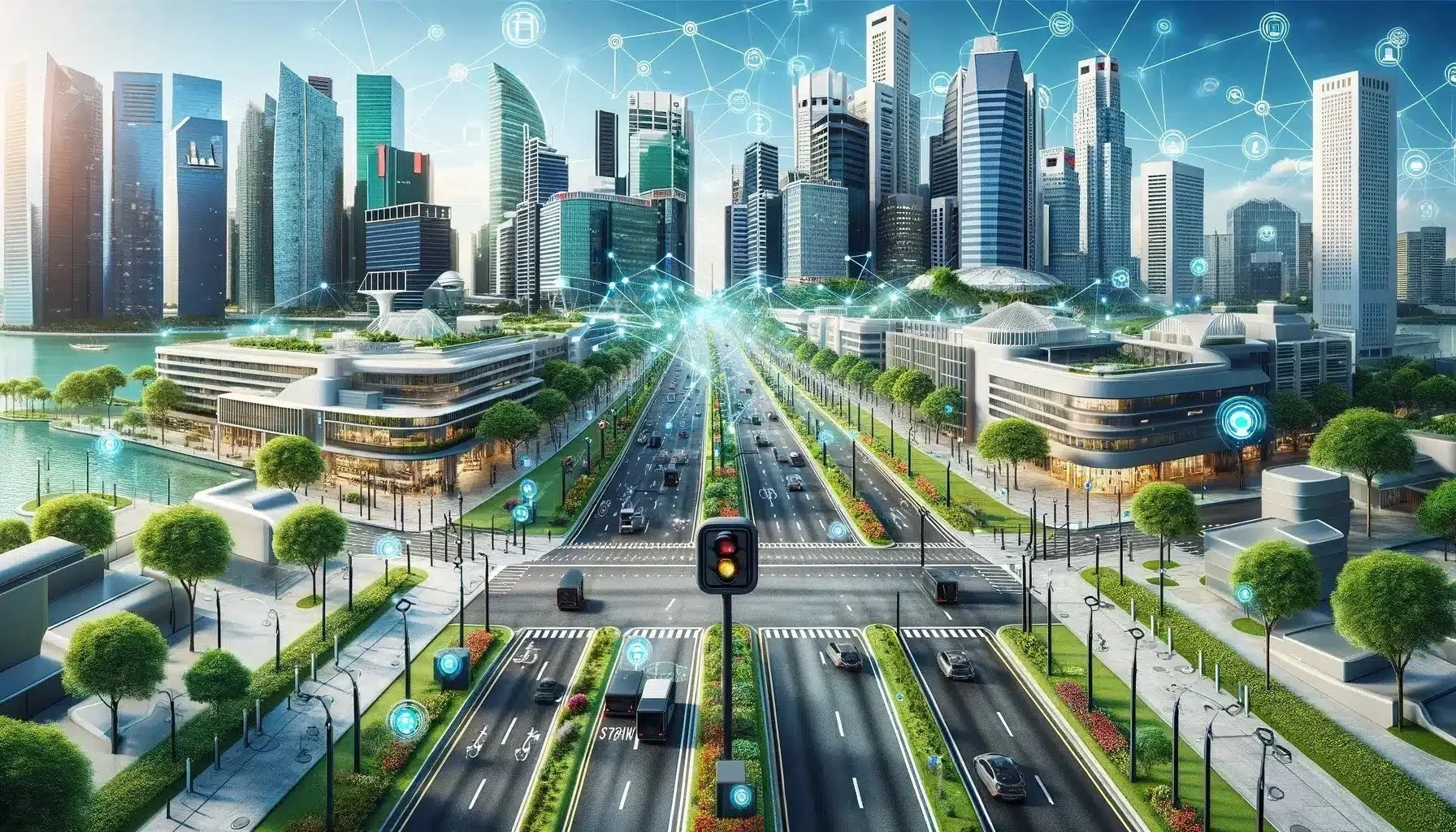
In 2026, infrastructure itself will become part of the destination brand.
Cities now compete through transport reliability, walkability, micromobility, crowd management, and digital connectivity. This is reflected in the UK’s growing investment in smart city platforms, urban flood management, digital governance, integrated transport systems and more. For residents, these systems shape daily quality of life long before they impress a tourist.
Place branding and marketing increasingly use urban performance metrics as storytelling tools communicating how efficiently, safely and sustainably a city operates. Infrastructure is no longer invisible or just the backbone. It becomes a visible promise of care, access, and long-term thinking. It negates confusion, chaos and all the emotions one feels when breathing in a new city's air.
5. Hybrid Digital–Physical Destination Experiences
Source: The Drum
What happens when you physically cannot visit a place? How does one experience a place?
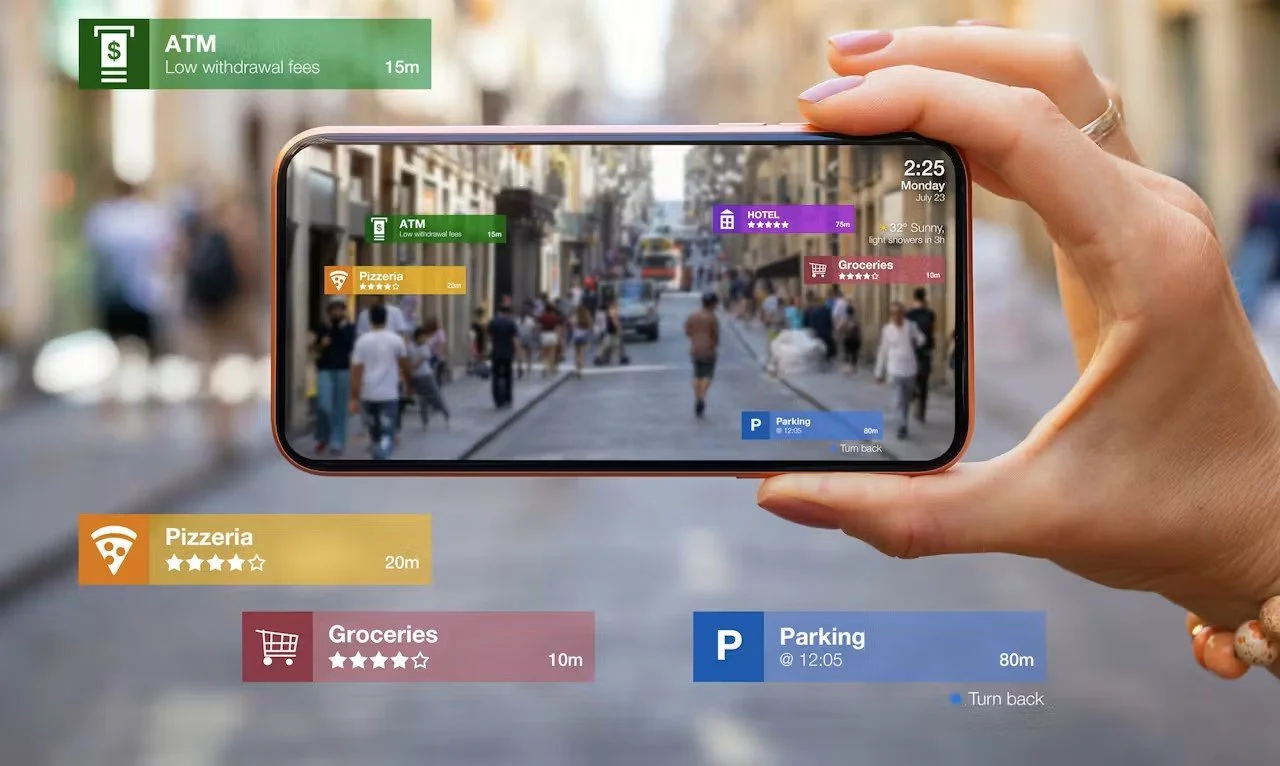
To bridge the accessibility gap and to create an accessible sense of spatial welcome, the visitor journey in 2026 will increasingly begin in hybrid digital environments. Augmented heritage layers, AI-powered itineraries and real-time cultural mapping will reshape how destinations are navigated.
Common tools will now include interactive cultural calendars, adaptive routing systems, immersive storytelling platforms, and digital twins of historic cities. The destination becomes an interactive system rather than a static backdrop.
The shift ahead:
Destination marketing in 2026 evolves from persuasion to participation. The destinations that remain relevant will be those that align cultural identity, spatial equity, community preservation and engagement, and infrastructural intelligence. Places are no longer admired from a distance.
They are meant to be experienced, lived and breathed in person or even through a screen.
In Concept culture’s very own podcast “Talking Place” hosted by our Creative director & founder Tanisha Raffiuddin, we reflected on all of the above by asking the guests questions, such as What's their favourite place? And why? Further diving into deeper conversations about placemaking and placebranding. We have published 24 podcasts to date with leading industry thought leaders; have a look here.
Looking to craft a compelling story for your place?
If you are looking to create authentic content that resonates with your audience and builds a stronger and closer connection with them, get in touch today. Our creative team of storytellers and experts is ready to help your brand navigate the trends and expectations of 2026
