Many Cultures, One City: Six LFA 2026 Events You Need to Experience
"Belonging is when a street, a scent, or a skyline becomes part of your own story- when the place begins to feel personal. It's that alchemy between memory and space, where your narrative aligns with the shared life of a place."
That was my response when the London Festival of Architecture asked me what belonging means to me.
I had the great pleasure of being invited to be part of the curation panel to help shape the theme for the 2026 festival.
LFA 2026 runs across London from 1–30 June 2026, bringing together architects, designers, communities and the public through hundreds of events that examine how cities are shaped and experienced. All festival activity focuses on the theme of Belonging- a platform for hope, a space to reimagine connection and a vehicle for change in our city.
As a member of the curation panel, I have had a front row seat to the conversations that shaped this year's programme alongside my fellow panelists. urban designer and place-shaping consultant Rumi Bose, Co-founder of IF_DO Thomas Bryans, head of the Design Unit at the GLA Sarah Considine, founder of Grow to Know Tayshan Hayden-Smith, and Black Females In Architecture members Neba Sere, Selasi Setufe.
Together we kept returning to one question: whose London is this festival for?
London is not one city. It is many. And the question of who gets to feel at home in it- whose story gets told, whose name is known, whose culture is woven into the bricks- is one of the most urgent questions we should be asking.
As a curator I was invited to pick my top six events from the programme. Each one approaches the theme of belonging from a different angle - heritage, identity, culture, memory, archive and imagination. Together they build a picture of London as a city of coexistence.
Many cultures, one city.
1. Rooted and Relevant: How Heritage Shapes Identity
Source: Pexels
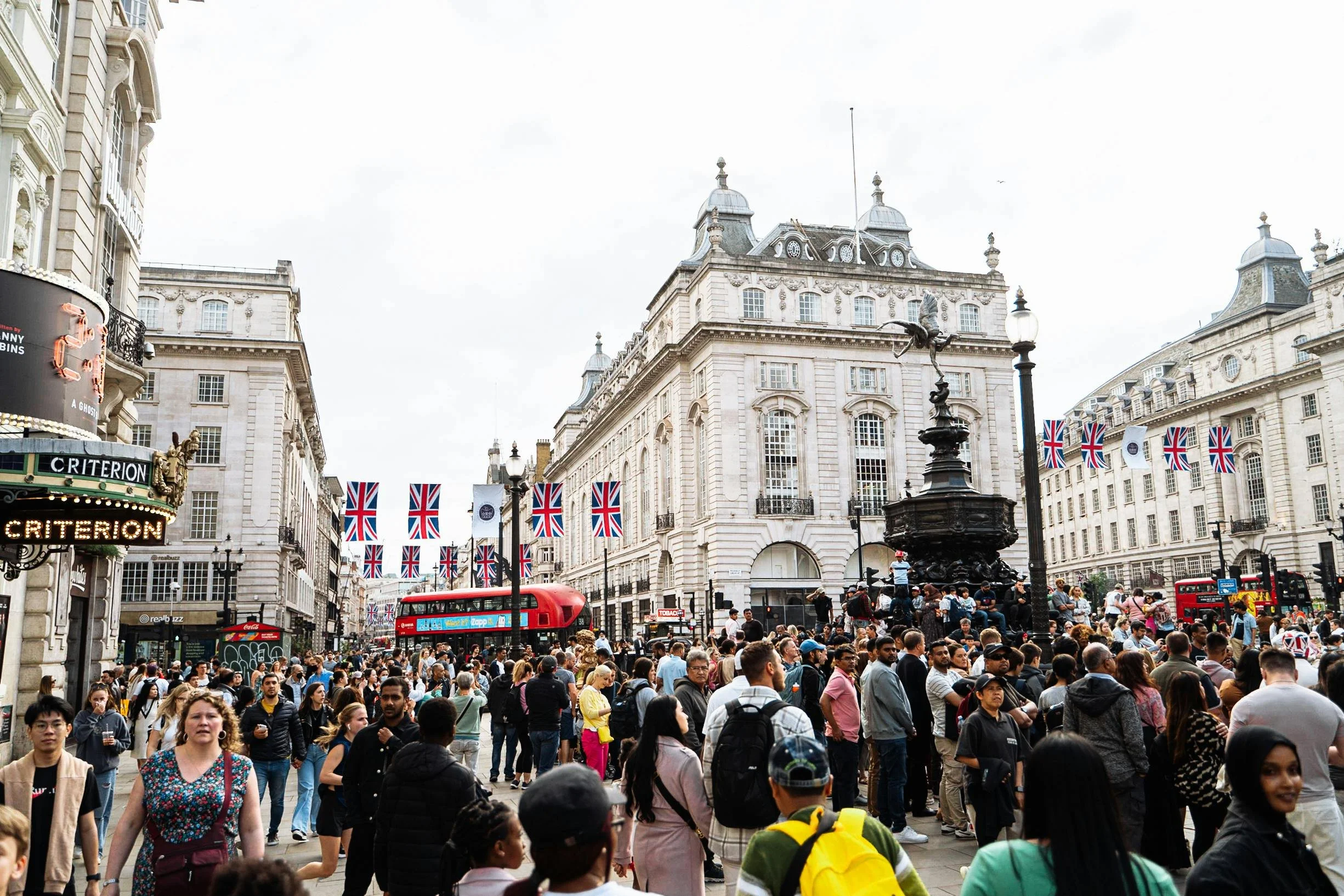
Where does a place's identity come from? And when a neighbourhood changes- as all London neighbourhoods eventually do- what stays, what goes and who gets to decide?
This talk from Donald Insall Associates explores the social infrastructure that gives places their character: heritage, public realm, masterplanning and the stories communities carry with them long after the buildings around them have changed. It's a conversation about what it means to honour a place's roots while making it relevant to the people who live in it now.
For me this is the fundamental tension at the heart of placemaking. Progress without rootedness erases people. Rootedness without progress traps them. The best place, and the best events, hold both.
📍 Donald Insall Associates | 🗓 Thursday 4 June
2. Belonging: Your Name, Your Identity?
Source: Pexels
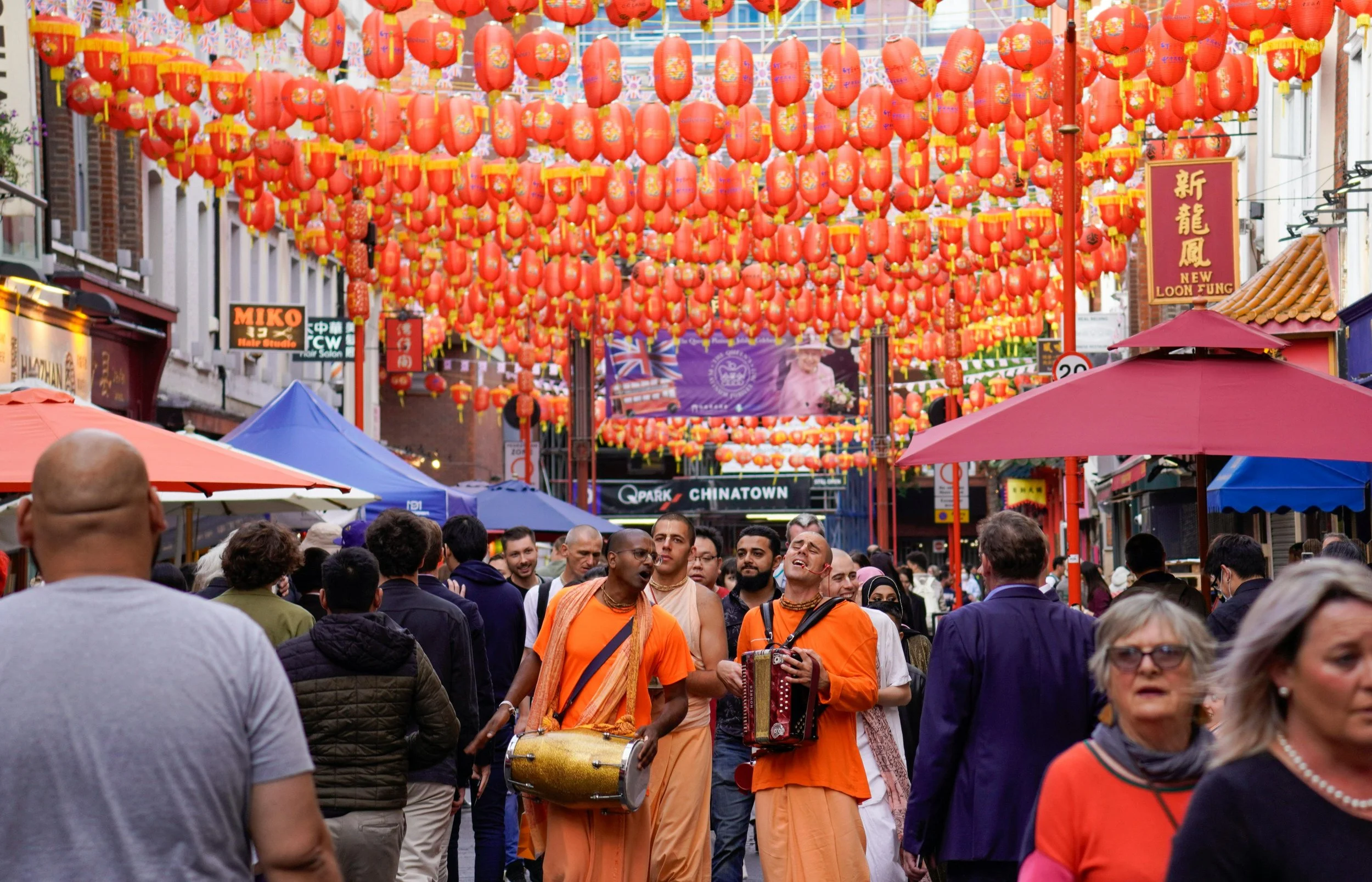
A name is one of the first things we give a child. It carries heritage, culture, aspiration and love. And yet in a city like London, names are mispronounced, anglicised and quietly erased - a small but telling signal of who is expected to adapt, and who is not.
This event asks what it means to carry your name, and your identity- into spaces that were not always designed with you in mind. It's a deceptively simple question with profound implications for how we think about inclusion in the built environment and beyond.
As someone whose own name sits at the intersection of multiple cultures, this one is personal. It speaks directly to the experience of navigating a city that celebrates diversity in the abstract while struggling with it in the particular.
📍 People’s Museum Somers Town | 🗓 Wednesday 17 June 2026
3. IN-A-LONDON
Source: Pexels
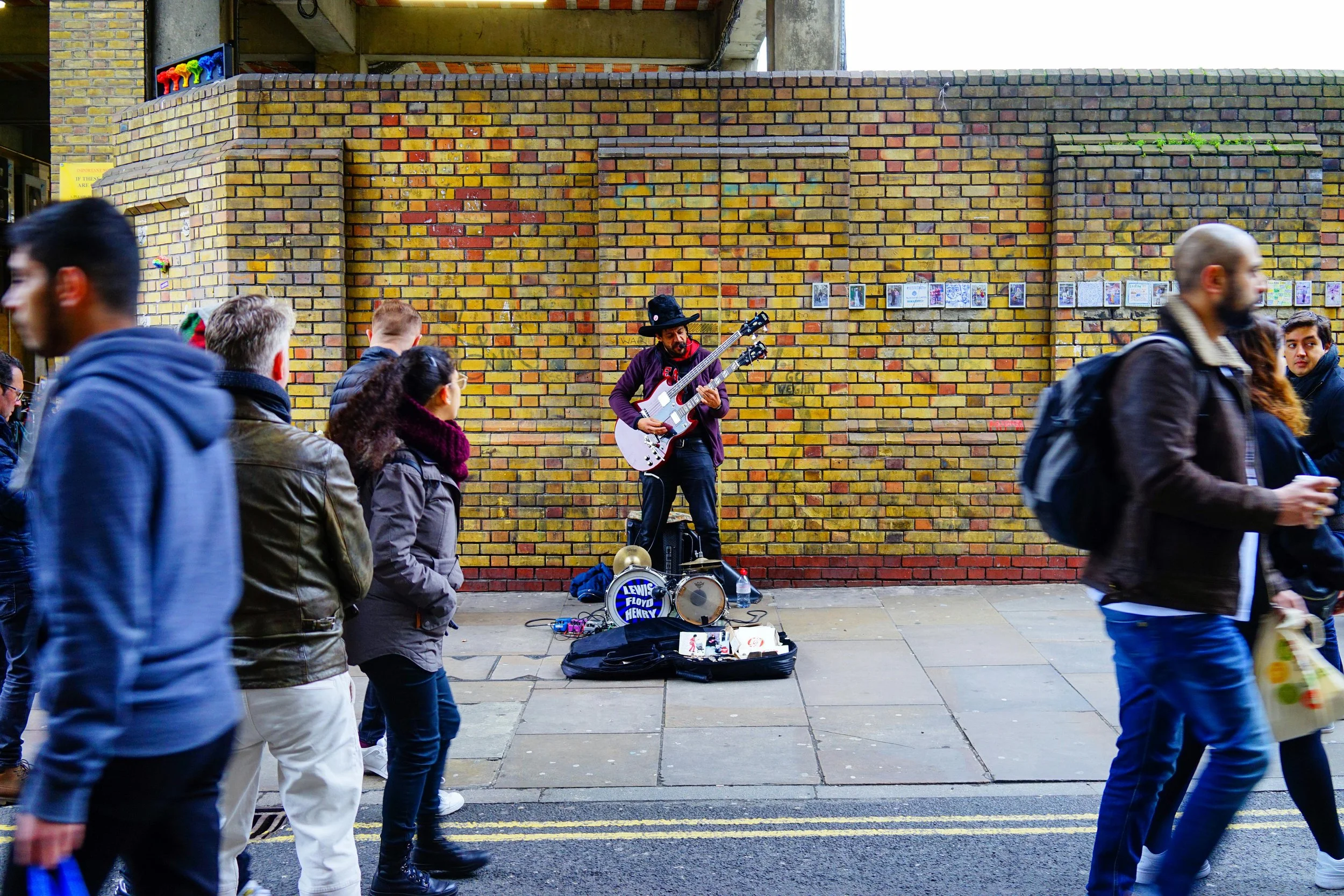
London has always been made of arrivals. Every generation has brought its music, its food, its language and its way of being- and the city has absorbed it all, sometimes joyfully, sometimes reluctantly, always permanently.
IN-A-LONDON is an immersive experience that brings to life stories of belonging across London through music, art, storytelling and more. It is the kind of event that reminds you why the experience of a city is never just architectural. It is sonic, cultural, emotional and collective.
This is the event I'd recommend to anyone who thinks architecture festivals are only for professionals. Walk in. Let it find you.
📍NLA- The London Centre| 🗓 Saturday 6 June
4. Windrush Day: Carrying the Flame
Source: Pexels
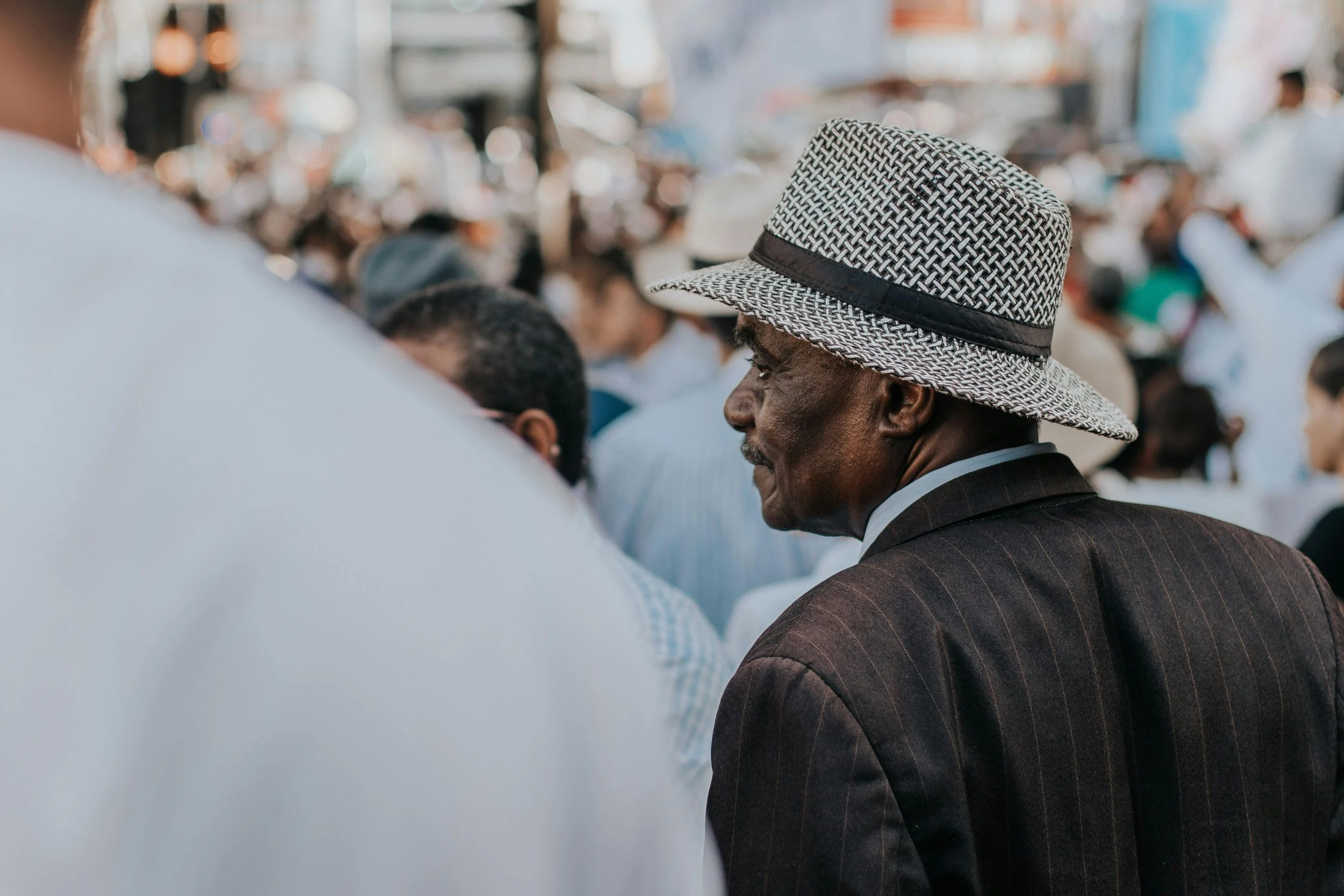
Every city is built on the labour of people whose contributions are not always written into its official history. The Windrush generation built post-war Britain - its hospitals, its transport networks, its cultural fabric, and for decades, their story was allowed to fade from public memory.
Carrying the Flame, curated by World Heart Beat's Ava Joseph and Ayo Vincent, was conceived to celebrate Windrush Day, nodding to the important contribution of migrants who helped shape post-war Britain, especially recognising the African-Caribbean community.
Taking place on Windrush Day itself, this is a performance and celebration that insists the flame be carried forward. Belonging is not just about the present. It is about knowing that the people who came before you are remembered, honoured and seen.
📍 Embassy Gardens | 🗓 Monday 22 June
5. Blueprints of Belonging: Inside London's Architectural Archives
Source: Pexels
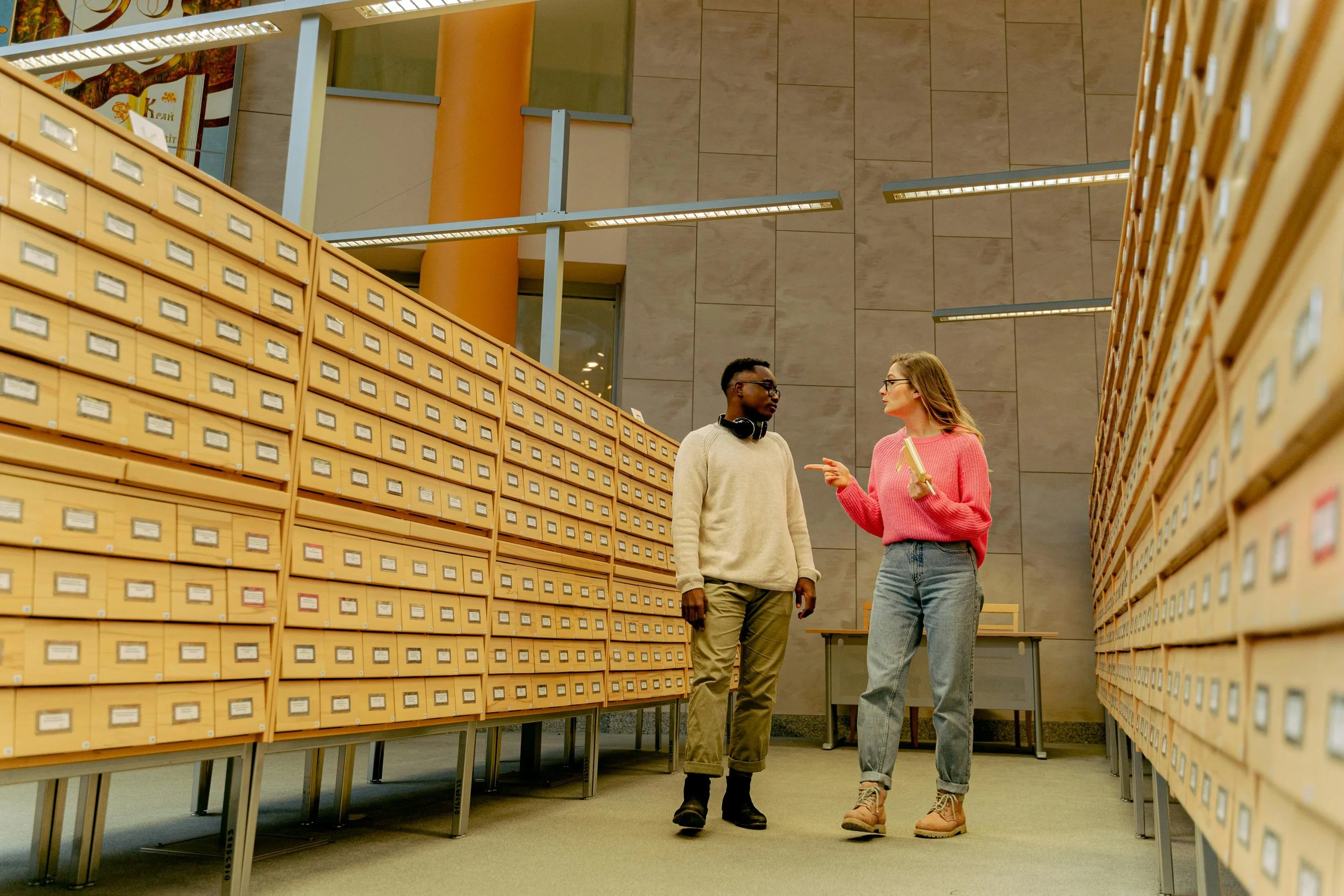
Who gets archived? Whose buildings are considered significant enough to be preserved in the record? And what does it tell us about a city when the blueprints that survive are mostly those of power and wealth?
This special event at The London Archives highlights the intricate evolution of London's built environment, offering a rare chance to go behind the scenes of the city's architectural memory. It is an invitation to ask whose story the archive tells, and whose it has left out.
For me, this is one of the most quietly radical events in the programme. Archives are not neutral. They are curated acts of memory. And in a festival about belonging, there is no more important question than who the city has chosen to remember and thus also forget.
📍 The London Archives | 🗓 Friday 5 June
6. Design Your Own Neighbourhood
Source: Pexels
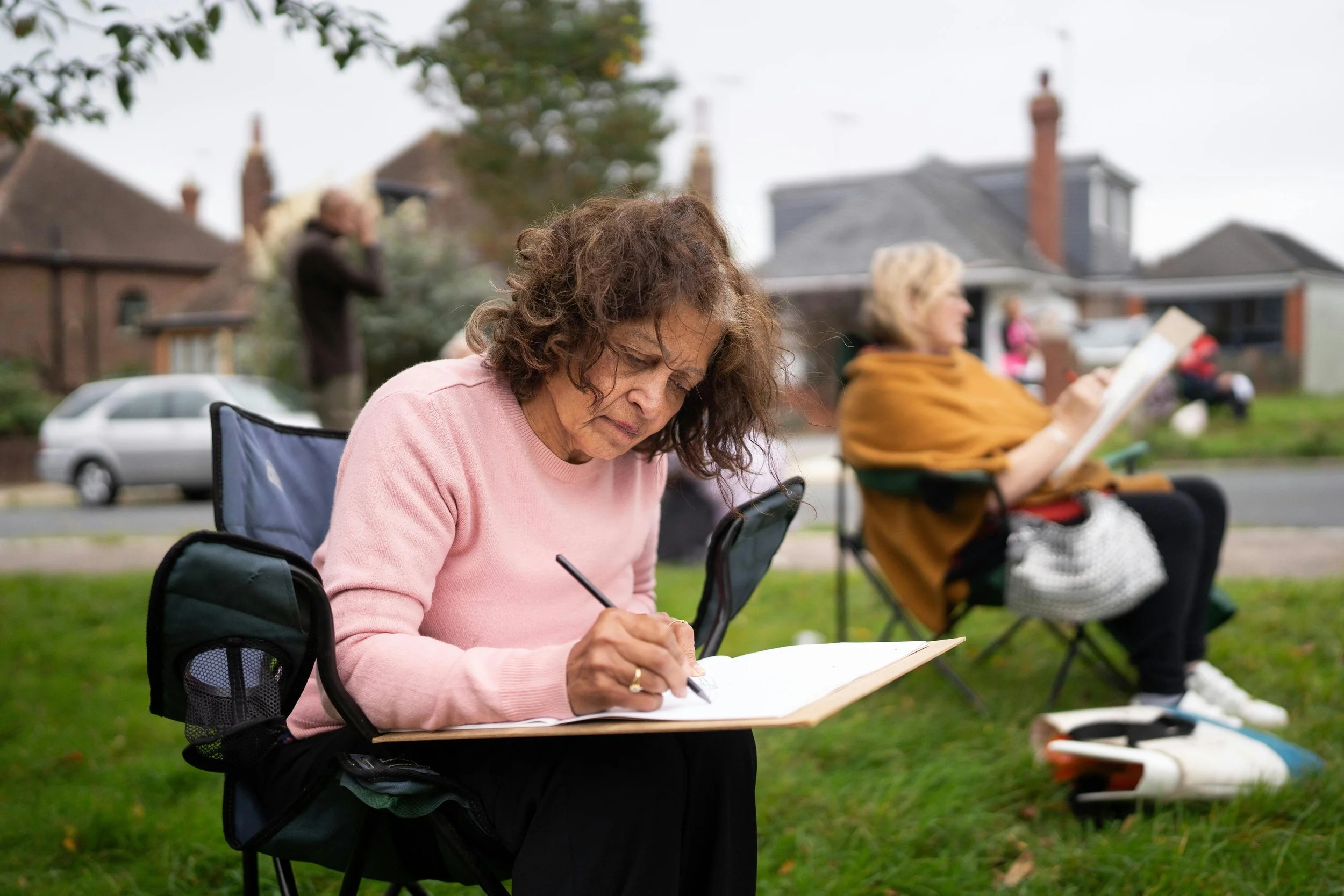
What if the people who lived in a place were actually given the tools to shape it? Not consulted after the decisions had been made, but genuinely empowered to imagine, draw and build the neighbourhood they want to live in?
This participatory event puts the pencil in the hands of Londoners, and asks them to dream. It is joyful, practical and quietly political all at once. Because the act of imagining a better neighbourhood is also the act of insisting you deserve one.
This is the event that speaks most directly to what I believe about placemaking: that belonging is not a passive state. It is an active practice. And it starts with being invited to the table.
📍 Makower Architects LTD| 🗓 Thursday 11 June 2026
Why the theme of belonging matters?
As migration, digital connection, climate change and new modes of living challenge urban rhythms, belonging becomes the emotional infrastructure of a place. It draws attention to how we build not just structures, but the conditions for people to feel rooted, recognised and included.
That is what the LFA 2026 programme of events intends to do.. It may not offer easy answers. It may ask harder questions. And in a city as layered, as contested and as extraordinary as London, that is exactly what a city wide festival should do.
London has always been a city of arrivals and reinvention, a city made and remade by successive generations of migration and collaboration. These events celebrate that. They insist on it. And they invite you - whoever you are, wherever you are from, to be part of it.
The full LFA 2026 programme is available at londonfestivalofarchitecture.org.
Looking to craft a compelling story for your brand?
If you are looking to create authentic content that resonates with your audience and builds a stronger and closer connection with them,get in touch today. Our creative team of storytellers and experts is ready to help your brand navigate the trends and expectations of our ever changing world.